In recent years, South Korean culture has transformed from being perceived as a pale imitation of its neighbors, Japan and China, into the dominant force in global pop culture. Whether it’s the jaw-dropping record sales of pop juggernaut BTS or the unprecedented success of director Bong Joon-ho’s Parasite, South Korea has become a cultural hotspot on the world stage.
It is fitting, then, that both London’s K-Music Festival and the Victoria and Albert Museum’s mammoth exhibition Hallyu! The Korean Wave arrive at such a moment. Together, they highlight how South Korean culture has become a global power to be reckoned with.
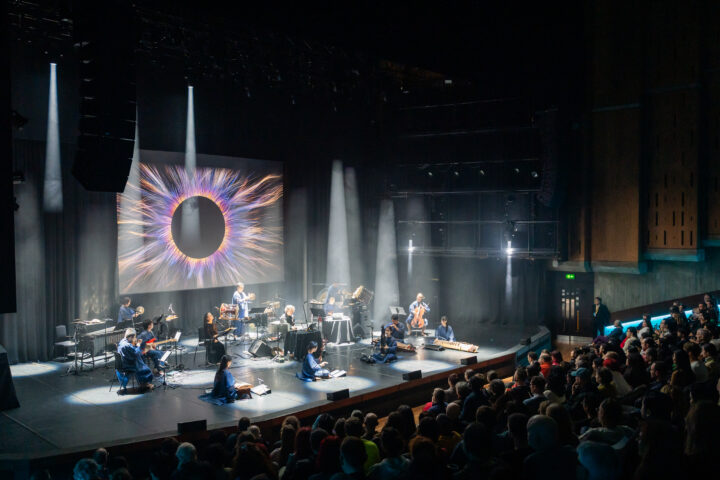
Now in its ninth year, the K-Music Festival returns to provide a vibrant musical backdrop to Hallyu! The Korean Wave. The festival has traditionally showcased musical performers who are far removed from mainstream K-pop—artists drawn to innovation and the fusion of traditional Korean sounds with contemporary musical forms.
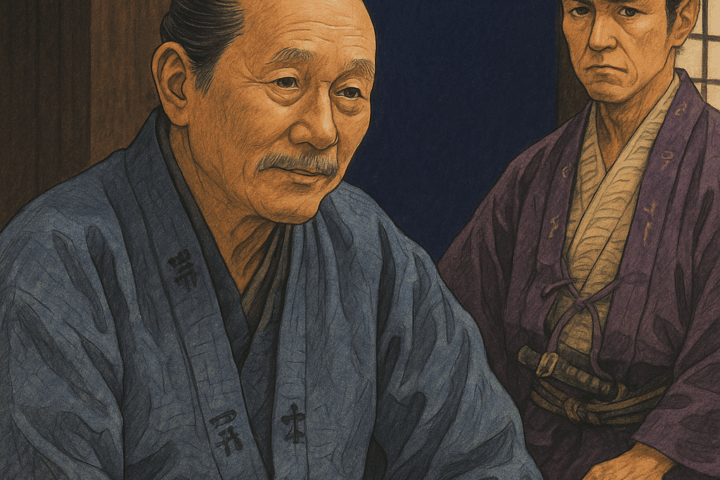
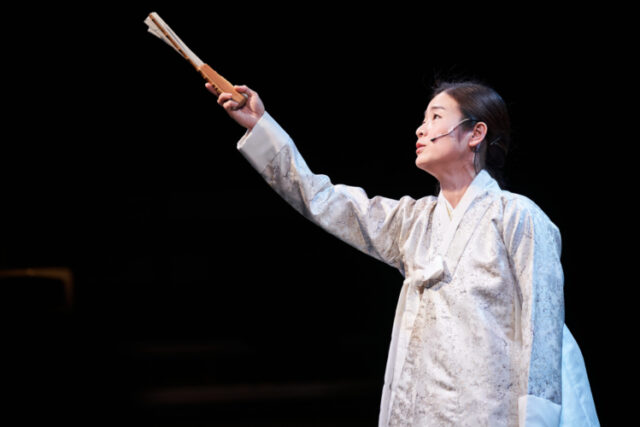
One of this year’s standout performers is Jaram Lee, a celebrated figure in pansori, a traditional Korean operatic form. Her work The Old Man and the Sea reimagines Hemingway’s classic as an allegory for modern South Korea, capturing a nation where resilience has emerged from the struggles of its post-war history.
The original text draws heavily on Hemingway’s time living in Cuba, where he tells the story of an old man struggling to recapture the strength of his youth as he pits himself against a giant fish. Determined to catch it, he battles over the course of several days—an ordeal that gives him the opportunity to reflect on his past life, both its victories and defeats. Ultimately, he draws on an inner strength he never knew he possessed in order to persevere.
Hemingway wrote this story thousands of miles away from a Korea still reeling from the twin catastrophes of World War II and Japan’s long occupation. The cumulative impact of both left much of Korea in ruins. The country was then divided—without the consent of its people—into North and South Korea, a division that continues to have profound consequences today.
South Koreans, however, chose to focus on preserving what had survived the conflict and embarked on a difficult path toward democracy. Throughout this journey, South Korea worked to forge a new national identity—much like the fisherman, who must do the same if he is to succeed in capturing the great fish. Becoming lost in his past would not help him overcome his present struggle.
Jaram Lee is a mesmerizing presence as she sings this powerful tale, remaining on stage throughout. The twists and turns of the story are mirrored in Lee’s astonishing vocal range, and her performance captivates the audience from start to finish. What ultimately emerges is not merely a glimpse into an exotic musical tradition, but rather a deep insight into the soul of the fisherman—a man who, despite overwhelming obstacles, ultimately triumphs.
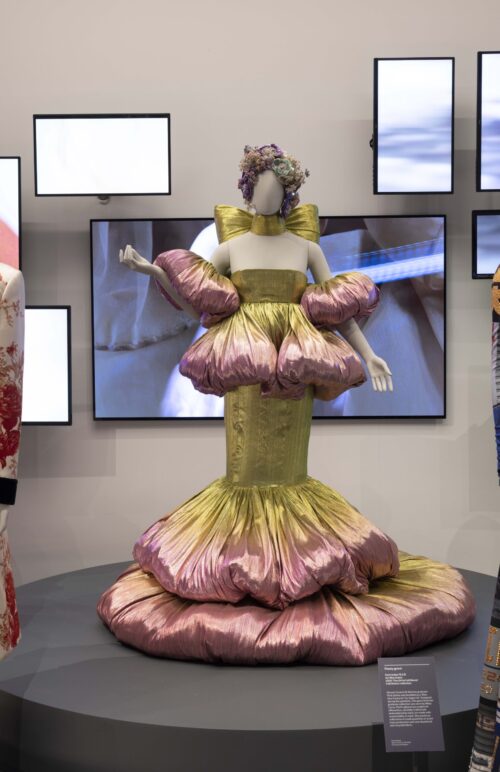
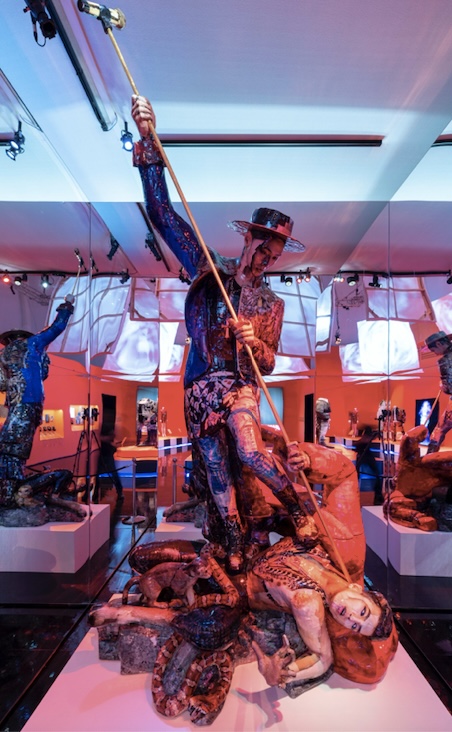
The Victoria and Albert Museum’s exhibition on South Korean popular culture is breathtaking in both its scope and innovation. Simply walking through the exhibit, one quickly becomes aware of just how deeply South Korean culture has influenced our lives.
If anyone wants to witness the extraordinary journey South Korea has taken since the second half of the 20th century, they need only look at a series of photographs of the Gangnam district—the area that inspired Psy’s infectious global hit Gangnam Style.
One photo, taken in the early 1980s, shows a farmer ploughing his field beside a few newly constructed apartment buildings. The contrast between the modern housing blocks and the traditional agricultural scene is striking. Even more surprising is how much the image resembles post-war South Korea rather than the rapidly industrializing nation it had already become by the 1980s.
Beside it sits a photo of the same district today. The transformation is surreal: Gangnam has become one of the most expensive and modernized areas to live in anywhere in the world.

Like the two photos of Gangnam, many of the other exhibits serve as constant reminders of just how far South Korea has come in a relatively short period of time. One striking image shows a Samsung factory in the 1980s, where hundreds of identical-looking women are diligently assembling Samsung products. Once again, the photo appears as though it could have been taken in the immediate post-war period—making it all the more astonishing to learn it was captured in the 1980s. These photographs underscore a vital truth: South Korea’s current material success has been hard-won, built through decades of perseverance, sacrifice, and determination.
Part of the exhibition celebrates how South Korean television has conquered the world. Early South Korean TV series were once viewed as exotic curiosities, but today, shows like Squid Game and Crash Landing on You dominate the global cultural conversation.
The room that will likely draw the most attention is, of course, the one dedicated to the celebration of Korean pop music. As you enter, you’re greeted by video clips from global superstars like BTS, EXO, and BLACKPINK—they’re all here. Visitors are even invited to try a few moves from a K-pop dance routine, which is filmed and recorded, then displayed on a wall alongside other participants. It’s a delightful use of technology that invites visitors to step into their very own K-pop video experience.
Both the K-Music Festival and Hallyu: The Korean Wave illustrate the profound cultural impact South Korea is having on the world. Given everything the country has endured—invasion, occupation, division, and military dictatorship—it’s impossible to begrudge its current cultural dominance. Like the fisherman in Hemingway’s story, you sense that, after all it has been through, this is South Korea’s moment.
The K Music Festival continues until November 24th, 2022.
French version: Corée du Sud : de la cicatrice à l’éclat mondial
Ⓒ Victoria and Albert Museum