By Beverly Andrews
Queer East returned to the UK this year for its vibrant sixth edition, bringing with it a bold showcase of queer cinema, theatre, and art from East and Southeast Asia. The four-week, cross-disciplinary festival is a dazzling celebration of LGBTQ+ creativity — spotlighting stories that challenge boundaries and amplify the often-overlooked voices of the Asian queer community.
Festival organisers remind us why this platform remains vital: “Queer East was created in response to the systemic lack of Asian representation on the big screen, onstage, and behind the scenes. Global events over the past few years have reminded us that fair and authentic racial and sexual representation is essential to building an equitable society.”
Here are a few highlights from this year’s unforgettable programme:
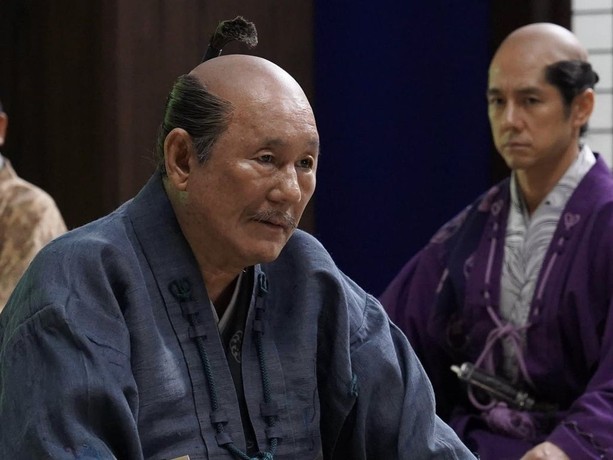
The legendary Japanese filmmaker Takeshi Kitano makes a triumphant return with Kubi, a sweeping 16th-century epic that boldly reimagines the samurai genre. Set against a backdrop of political intrigue and simmering homoerotic desire, Kubi is a powerful exploration of masculinity, honour, and the complex layers of human identity.
Best known to Western audiences for his role as a brutal sergeant in Merry Christmas Mr. Lawrence and his iconic portrayals of yakuza gangsters in films like Hana-Bi, Kitano brings his signature artistry and nuance to this long-awaited project — three decades in the making. Kubi dares to challenge the myths that have traditionally defined depictions of masculinity in Japanese cinema, making it essential viewing for cinephiles and Kitano fans alike.
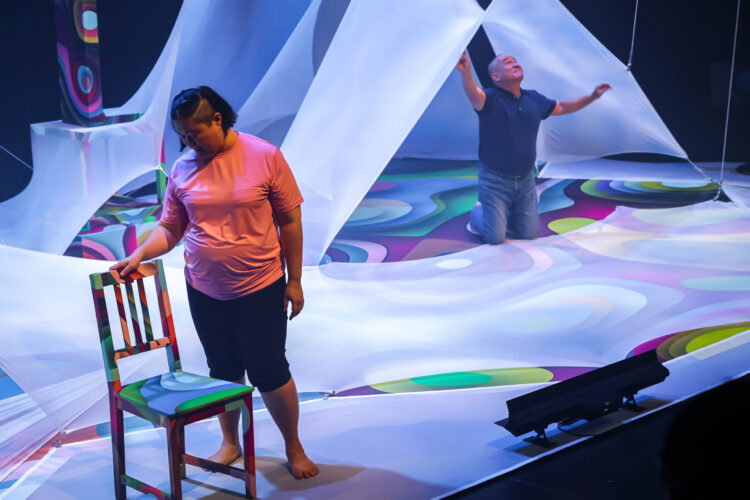
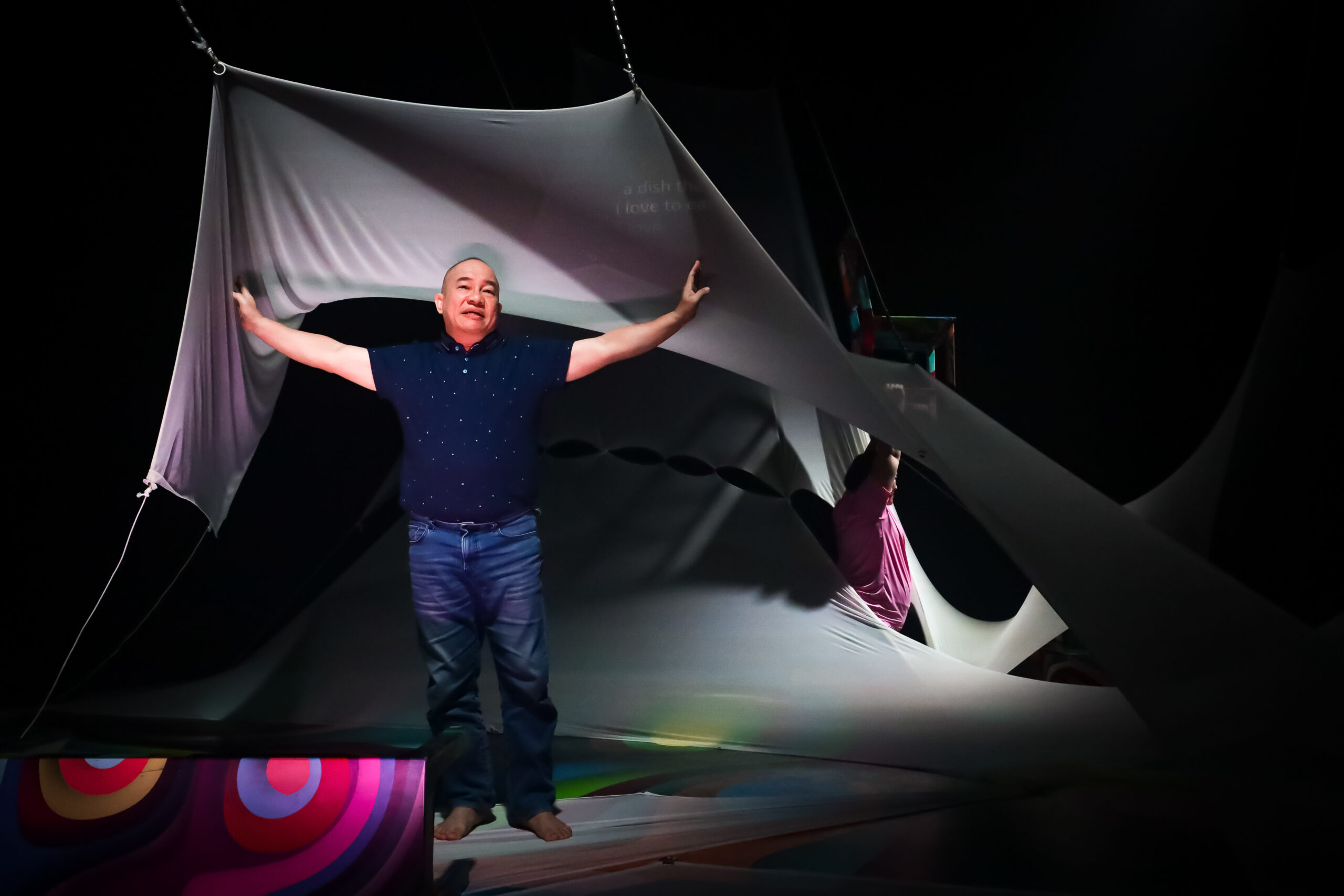
Singaporean playwright and director Ching Yi Kai delivers a hauntingly beautiful verbatim theatre piece with When the Cloud Catches Colours. The play delves into the lives of queer individuals in their fifties, navigating the newfound freedoms of a world that only recently began to accept them.
Set in the aftermath of Singapore’s historic repeal of Section 377A — a British colonial-era law that criminalised sex between adult men — the play follows two poignant stories. Qing, a man in his fifties, is reeling from the end of a 20-year relationship, while E, a woman caring for her ageing mother, grapples with the reality that her sexuality remains unacknowledged by her own family — even as her income sustains them.
The most powerful moment comes when the real Qing and E, whose stories inspired the play, are introduced to the audience. When the Cloud Catches Colours is a profoundly moving reflection on love, resilience, and the quiet courage of living authentically.
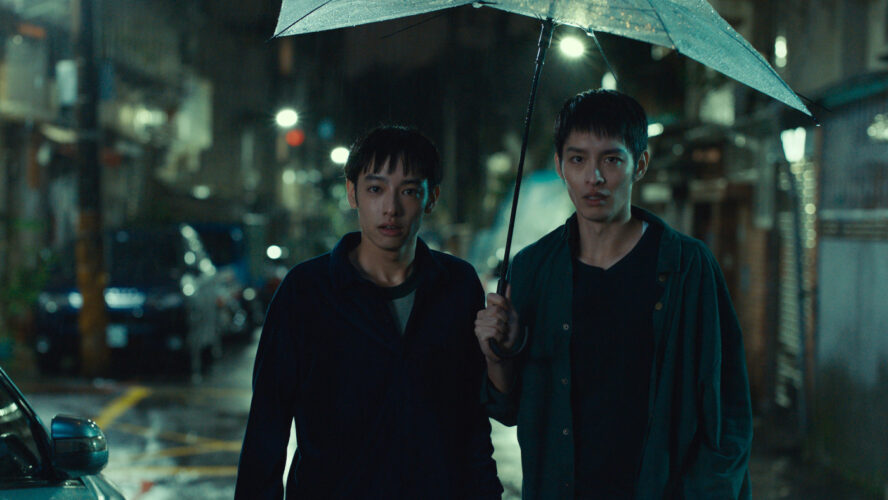
The standout of this year’s festival is Pierce, a Hitchcockian thriller that unravels the dark, tangled relationship between a young Taiwanese fencer and his older brother — recently released from prison after serving time for killing a rival during a fencing match.
In her debut feature, director Nelicia Low masterfully keeps audiences on edge, blurring the lines between truth and perception. Is the older brother the dangerous figure their mother claims he is, even suggesting he once tried to kill his younger sibling? Or are we witnessing the distorted view of a fractured family?
As the younger brother navigates these unsettling family dynamics, he must also confront his own sexual awakening. Pierce cleverly explores how monsters are not always born but often shaped by the absence of love — a chilling, thought-provoking theme that lingers long after the credits roll.
Queer East is a resounding reminder that vital, complex, and beautiful queer stories exist far beyond Western borders. With its bold programming and unflinching commitment to representation, the festival not only entertains but also educates — shining a light on the rich tapestry of LGBTQ+ life across Asia.