Two Very different Sadlers Wells
By Beverly Andrews
Sadler’s Wells Flamenco Festival celebrates its 20th anniversary this year with an exceptional programme of music and dance. Since its inception in 2001, this festival — dedicated to promoting and celebrating Spanish culture worldwide — has evolved into the leading international platform for flamenco. Over the years, the festival has expanded its reach to prestigious venues such as New York’s Carnegie Hall and the Sydney Opera House, in addition to its London home at Sadler’s Wells Theatre.
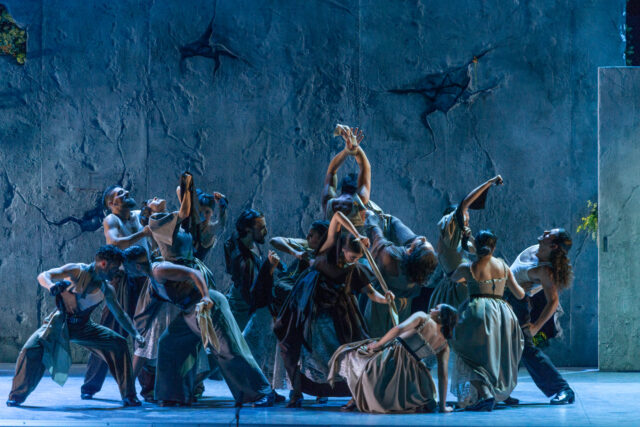
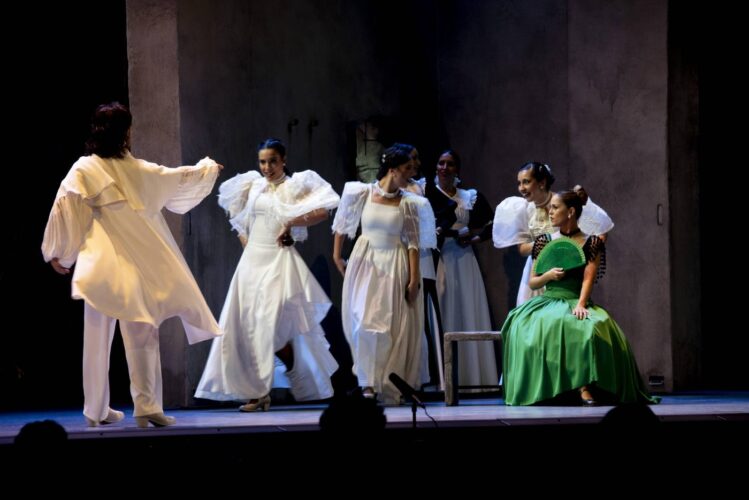
One of the highlights of this year’s UK edition was undoubtedly Pineda, performed by the Ballet Flamenco de Andalucía.
Flamenco as a Reflection on Women’s Lives
Pineda is a narrative ballet that tells the tragic story of Mariana Pineda, exploring themes of fate and the roles imposed on women in traditional Spanish society. Inspired by the play of the same name by Spanish literary icon Federico García Lorca, the production follows Mariana, a beautiful widow and mother, who falls in love with the revolutionary Don Pedro de Solomayor. When the authorities close in on her, she is faced with a heartbreaking choice: betray the man she loves or sacrifice her own life.
Patricia Guerrero, a former dancer and now director of the Ballet Flamenco de Andalucía, brings this moving tale to life with grace and intensity. The result is both enchanting and haunting — a vivid demonstration of how flamenco, through its unique fusion of music and movement, has the extraordinary power to tell stories in new and profoundly emotional ways.
Can We Really Trust What We See?
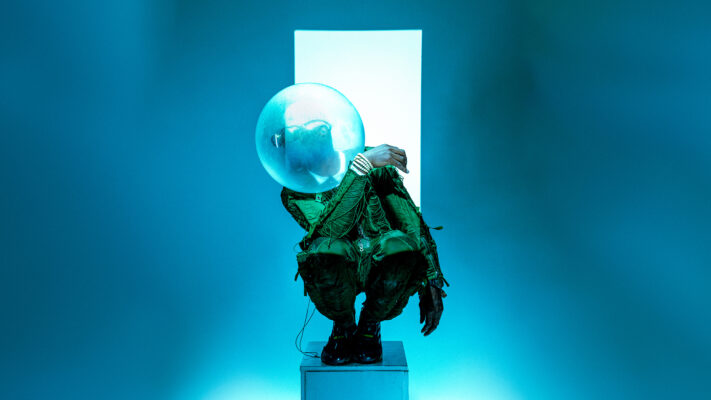
Across town, at the newly opened Sadler’s Wells East, dance once again proves its remarkable ability to shift perceptions — this time as part of the astonishing show Find Your Eyes by Benji Reid.
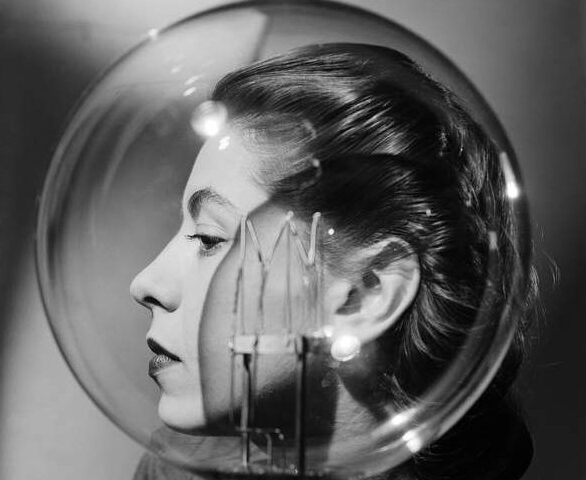
Blending photography, dance, and theatre, Reid’s work has been described as a form of hip-hop theatre. Yet Reid himself prefers the term choreo-photolist — a practice where photography, movement, and narrative performance intersect. In doing so, Reid creates a kind of live, photographic hyperreality that challenges our understanding of what is real.
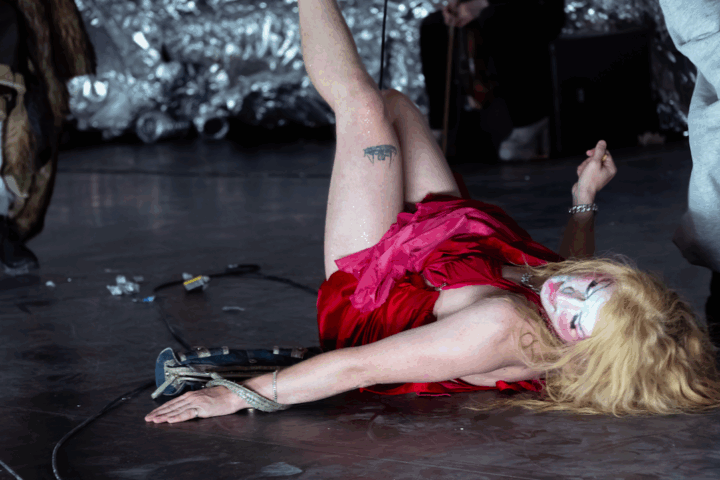
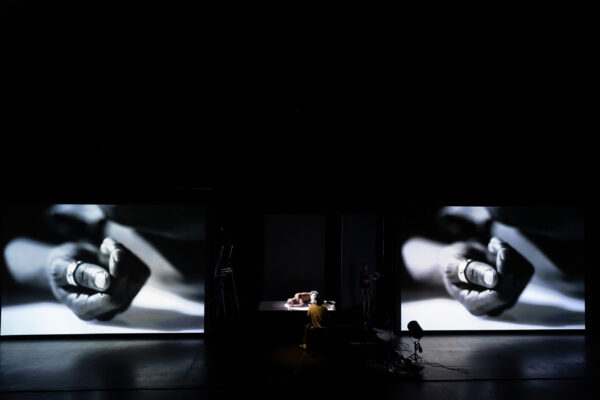
The show unfolds as Reid, positioned as both photographer and performer, takes photos live on stage. These images, connected through a loose narrative performed by three dancers, are then edited, enlarged, and projected for the audience to see. The striking contrast between what the audience witnesses live and the final enlarged photographs underscores the power of framing, perspective, and lighting to distort reality.
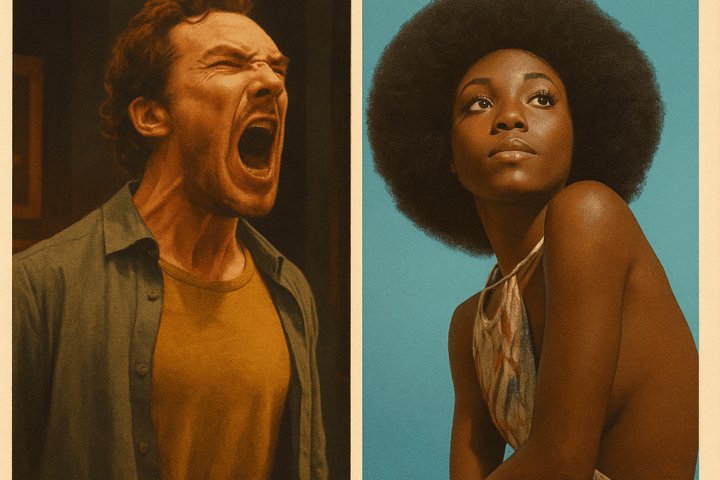
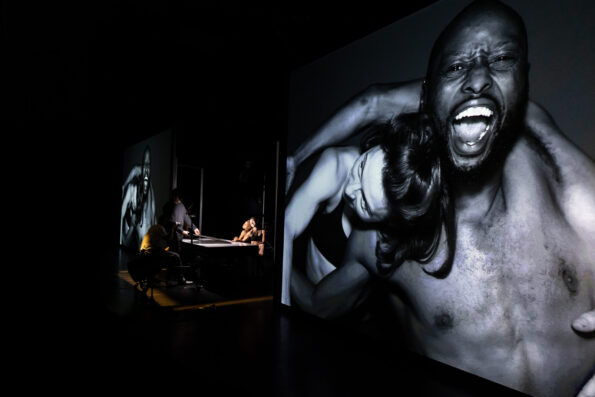
This effect is most evident in a powerful sequence between two dancers — a Black man and a mixed-race woman. Their duet begins playfully, posing together. But as their movements grow faster and more frenetic, the photographs taken start to appear aggressive, almost violent. The climax arrives with an unsettling image: the Black male dancer seemingly caught in an act of extreme violence.
In a single frame, Reid illustrates how easily reality can be manipulated — how what we consume visually, especially through the media, reflects not pure truth but a filtered, constructed version of events shaped by someone else’s perspective. With the rapid rise of AI-generated images, Reid’s message feels more urgent than ever: the distortion of reality is becoming not only easier, but ubiquitous.
Together, Pineda and Find Your Eyes demonstrate that dance is far more than movement — it is a powerful tool for storytelling, cultural reflection, and questioning our perceptions. Whether evoking the tragic legacy of a Spanish heroine or exposing how images shape our understanding of reality, both productions challenge audiences to look deeper. In doing so, Sadler’s Wells once again proves itself not just as a stage for performance, but as a platform for dialogue, innovation, and artistic provocation.