By Claudio Sales Palmero
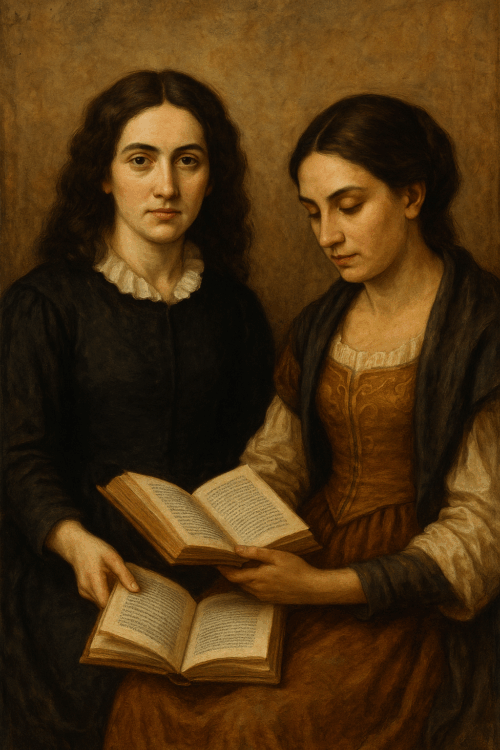
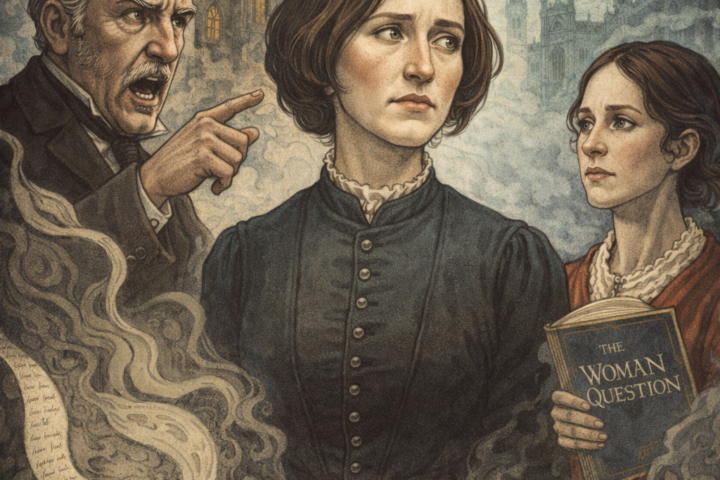
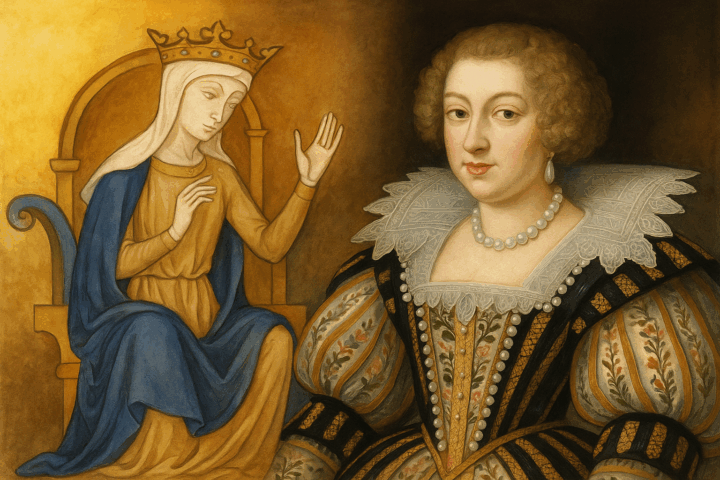
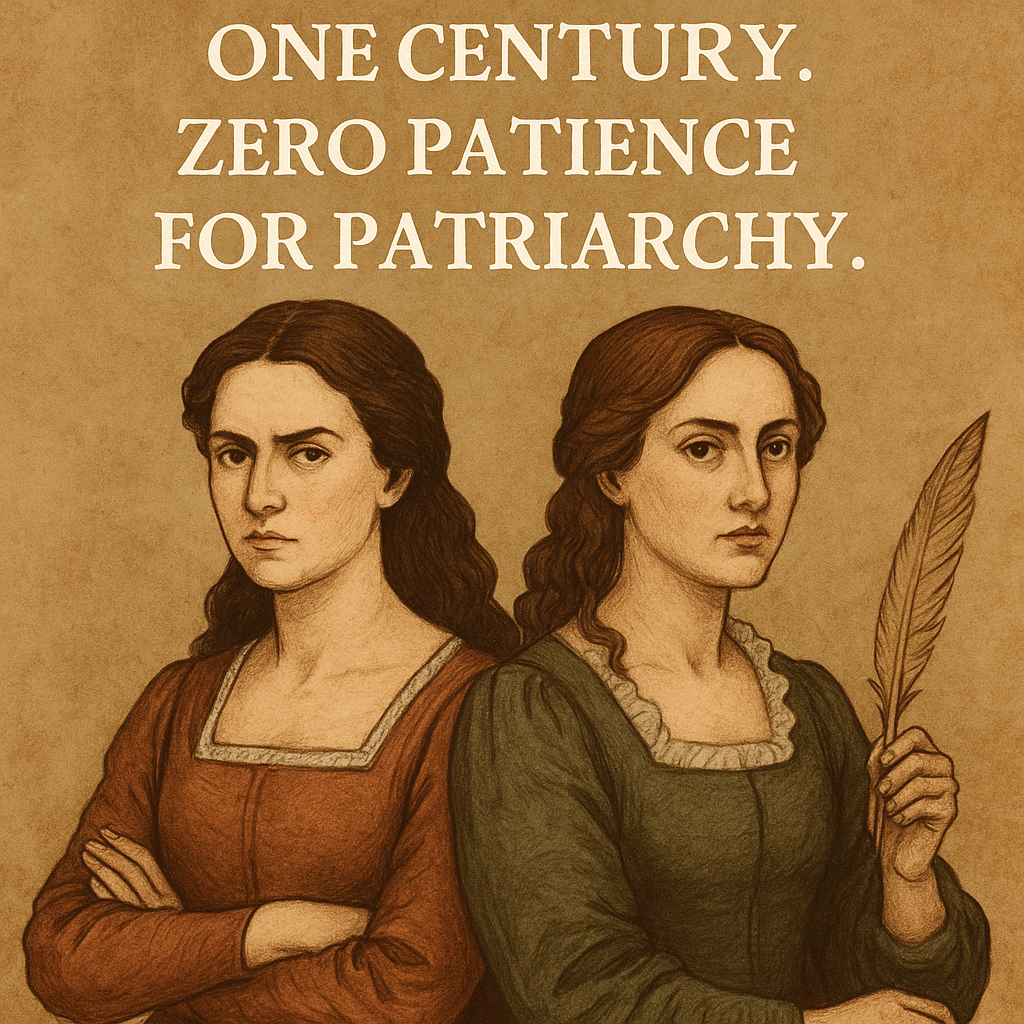
In the glittering yet rigid world of 17th-century Spain, literature was dominated by men, and women’s voices were often confined to the private sphere. Yet María de Zayas and Ana Caro de Mallén broke through these barriers with bold, unflinching works that gave their female characters intelligence, agency, and passion. Celebrated in their own lifetimes—and rediscovered centuries later—they stand today as proto-feminist pioneers of the Spanish Golden Age, their words still strikingly relevant in the fight for equality.
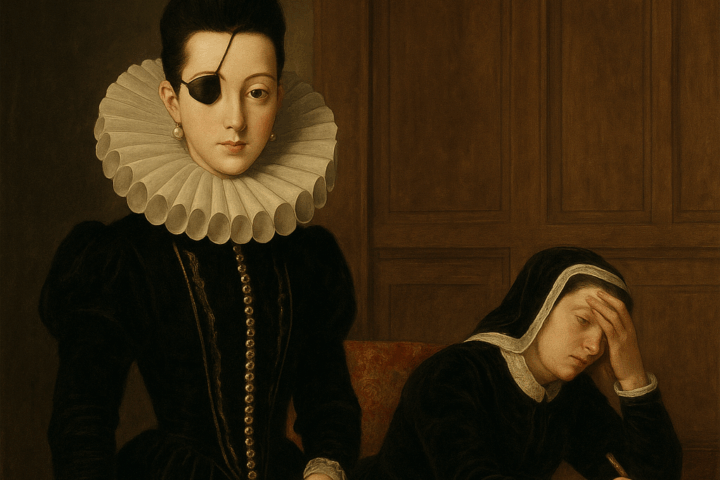
María de Zayas was born in Madrid into a family of the lower nobility. Her father was a captain in the service of the Duke of Lemos, who was appointed viceroy of Naples, which meant the family was constantly on the move. She lived in Naples, Madrid, and likely in Seville and Barcelona. Very little is known about her personal life, but she left behind a substantial body of short novels that enjoyed considerable success and were also translated into French.
Her novels are picaresque in nature but set in the high society of her time. Her characters freely give in to their passions and, although—following the conventions of the time—the stories ended with a moralizing resolution, her work was not driven by this purpose, focusing instead on how her characters experienced those passions. She avoided the rhetorical excesses of the Baroque culteranismo style, bringing liveliness and freshness to her narratives, which contained strong erotic elements in the manner of Boccaccio’s Decameron. Her ladies behave with unusual boldness: one becomes infatuated with a gentleman she sees from her balcony and pursues him, another hides her Black lover until she has satisfied her desires for him. Interestingly, her work passed the Inquisition’s censorship in the 17th century, but its reprinting was prohibited in the 18th century.
In the 19th century, Emilia Pardo Bazán became her rediscoverer, championing the proto-feminism of her characters, and to illustrate this, there is nothing better than letting María de Zayas’s own work speak:
“Pues no hay duda que si no se dieran tanto a la compostura, afeminándose más que naturaleza las afeminó, y como en lugar de aplicarse a jugar las armas y a estudiar las ciencias, estudian en criar el cabello y matizar el rostro, ya pudiera ser que pasaran en todo a los hombres”.
Translation: “There is no doubt that if women stopped devoting so much energy to their appearance—making themselves even more effeminate than nature made them—and invested that time in the art of arms and the study of sciences, rather than in hairstyling and makeup, they would surpass men in every way.”
“En la era que corre estamos con tan adversa opinión con los hombres, que ni con el sufrimiento los vencemos ni con la conciencia los obligamos. (…) ¿Por qué, vanos legisladores del mundo, atáis nuestras manos para la venganza, imposibilitando nuestras fuerzas con vuestras falsas opiniones, pues nos negáis letras y armas? ¿Nuestra alma no es la misma que la de los hombres? (…) Por tenernos sujetas desde que nacimos, vais enflaqueciendo nuestras fuerzas con temores de la honra, y el entendimiento con el recato de la vergüenza, dándonos por espadas ruecas, y por libros almohadillas“
Translation: “In our own time, we stand in such poor regard among men that neither our patience conquers them nor our integrity moves them. (…) Why, vain legislators of the world, do you bind our hands to prevent us from defending ourselves, crippling our strength with your false beliefs, when you deny us both letters and arms? Is our soul not the same as that of men? (…) To keep us in submission from birth, you weaken our bodies with fear of “honor” and our minds with the constraint of “modesty,” giving us distaffs in place of swords and embroidery needles in place of books.”
Little is known about her family origins. It appears that she was either born into slavery or entered that condition at a very young age, but she was later adopted by Gabriel Caro de Mallén and Ana María de Torres. Her biological parents were possibly moriscos (Muslims who had converted to Christianity).
What is truly remarkable about her is that she enjoyed both fame and financial recognition for her work during her lifetime, in the highly competitive world of poets and playwrights of the Spanish Baroque. This makes her one of the first professional female writers.
She enjoyed the patronage of the Count-Duke of Olivares, favorite of Philip III, as well as the support of the municipal council of Seville. She was commissioned to write relaciones—long poems published for public distribution—on notable events, or on events that those in power wished to be considered notable. She was also the author of autos sacramentales(allegorical religious plays) and comedies of intrigue, in which she gave very detailed instructions on staging and the “special effects” that should accompany the performance.
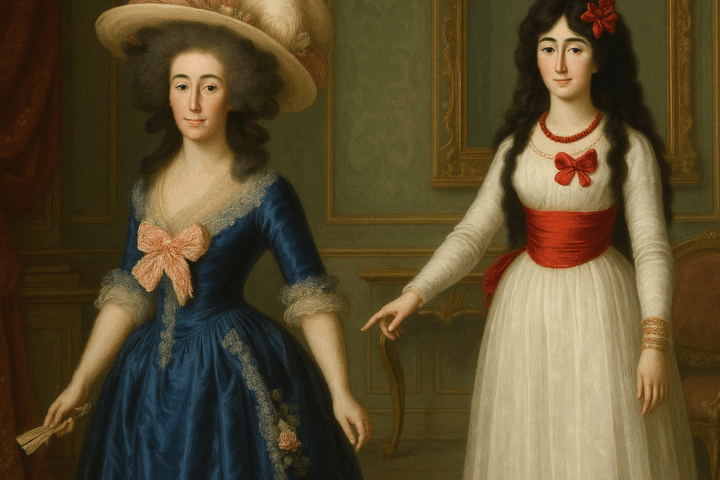
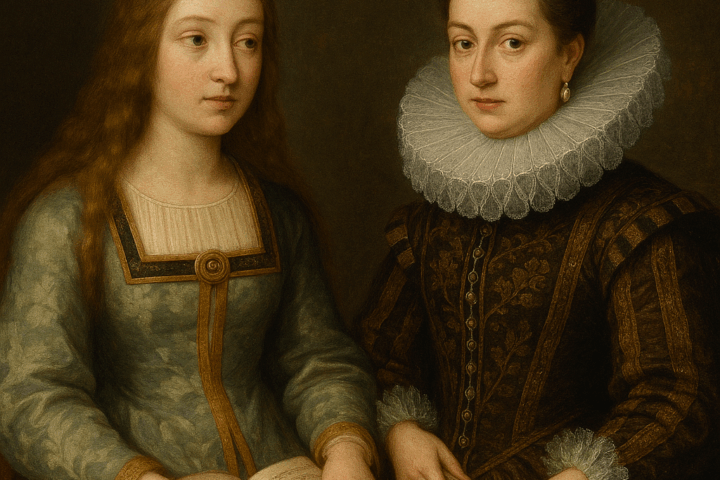
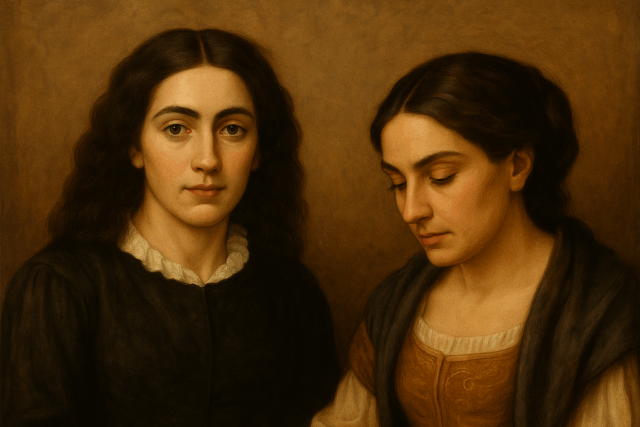
It is worth noting that her female characters, like those of María de Zayas, actively respond to injustices they suffer in their relationships with men. She was a friend of María de Zayas, and they even lived together for a time in Madrid.
She died in 1646 during a plague epidemic in Seville, receiving a lavish funeral.