Oscar Buzz Meets a Hard-Hitting Documentary
By Beverly Andrews
The Toronto International Film Festival opened this fall with a flurry of Oscar predictions, led by the premiere of Chloé Zhao’s adaptation of Maggie O’Farrell’s acclaimed novel Hamnet. The film, an imaginative exploration of the events that preceded Shakespeare’s Hamlet, features remarkable performances from Paul Mescal and Jessie Buckley. Both are already being tipped as likely contenders for next year’s Academy Awards.
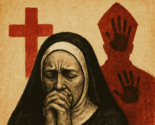
Yet away from the spotlight of high-profile titles, one documentary demanded attention for very different reasons. Nuns Versus the Vatican, directed by Emmy Award–winner Lorena Luciano, offers a searing investigation into allegations of sexual abuse of nuns within the Catholic Church. It is a film that not only exposes deeply disturbing personal stories but also confronts the institutional silence that has enabled such abuses for decades.
Allegations at the Core
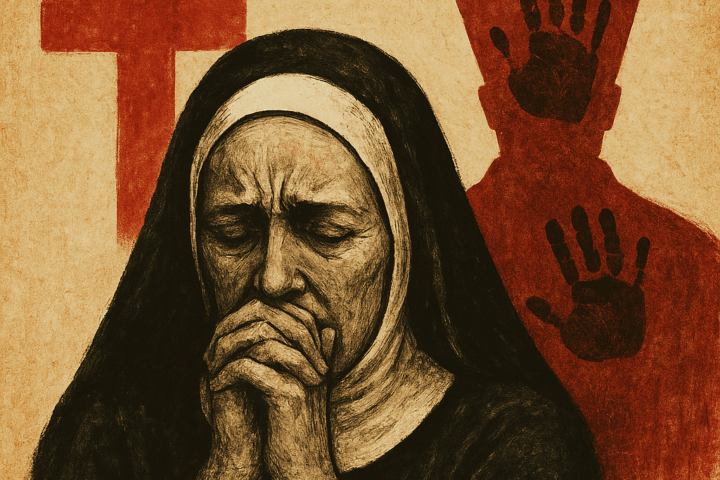
The documentary centers on testimonies from former nuns Gloria Branciani and Mirjam Kovac, who accuse former Jesuit priest Marko Rupnik of sexual, spiritual, and physical abuse. One of the most serious allegations even claims he violated the sanctity of the confessional.
But Luciano’s film goes beyond individual cases. It highlights how the Church’s rigid hierarchy and demands for obedience from its female members create an environment where abuse can persist unpunished. Many nuns have lived for years believing that their vows made them responsible for any perceived failings, rather than recognizing the institutional structures that allowed exploitation to occur.
The Silence of the Institution
Lawyers working with survivors describe a recurring pattern: nuns privately reach out to report abuse, only to withdraw when asked to reveal their identities. Many fear that speaking publicly would bring shame to their families, who remain deeply tied to the Church.
In Rupnik’s case, the story is especially troubling. Once multiple claims of abuse became public, he was excommunicated from the Jesuit order—only for that decision to be mysteriously reversed. Because such decisions can only be overturned at the highest levels of the Vatican, questions inevitably arose about whether Pope Francis himself played a role in shielding Rupnik. His reputation as a celebrated artist, whose mosaics adorn churches across the world, may have influenced the decision.
A Problem Equal in Scale
As Nuns Versus the Vatican unfolds, it becomes clear that the abuse of nuns may be as widespread as the well-documented abuse of children by priests. And yet, the Church has been reluctant even to acknowledge the scale of the problem.
There are, however, signs of a shift. Rupnik’s excommunication has since been reinstated, and Pope Leo has ordered that his artwork be removed from all Vatican websites. But the fact that it has taken more than thirty years for these measures to be enacted underscores just how deeply entrenched the silence has been.
A Reckoning Still to Come
Luciano’s documentary is not merely an exposé of one man’s crimes, but a broader indictment of an institution that has allowed abuse to thrive unchecked. For the survivors who have spent decades waiting to be heard, justice remains slow and incomplete.
Watching the film leaves audiences with an unsettling realization: the crisis of abuse within the Catholic Church is far from over, and only continued scrutiny can prevent history from repeating itself.