Tate Britain’s landmark retrospective reveals the extraordinary evolution of a model, Surrealist, and pioneering war photographer.
By Beverly Andrews
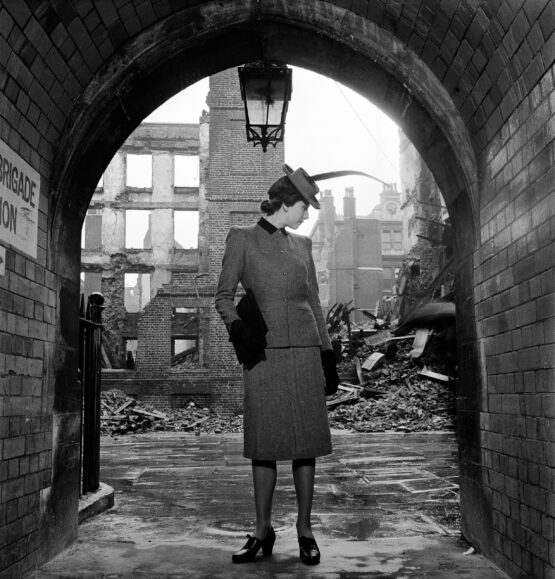
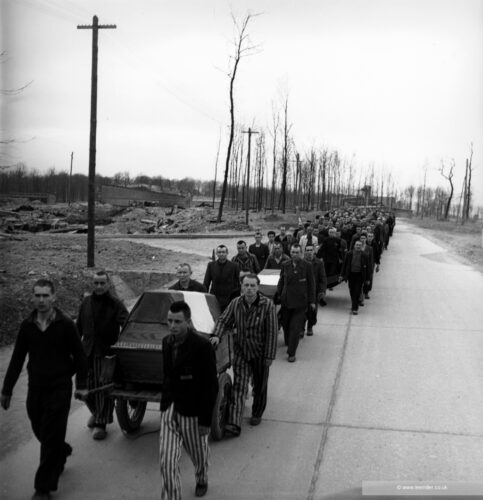
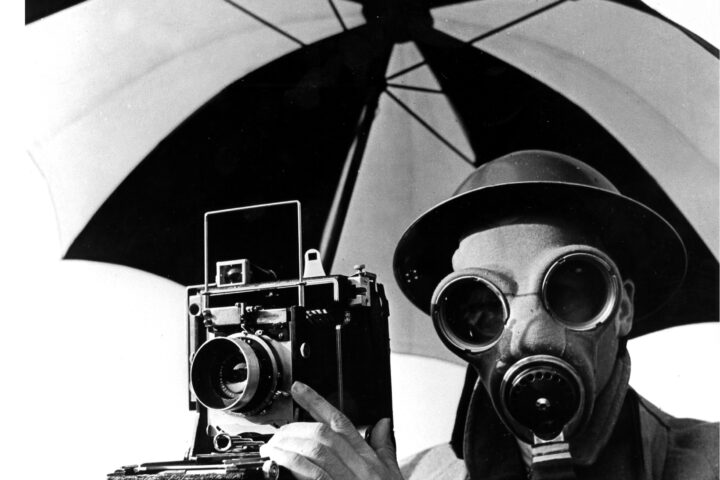
There are few photographers who have led such a diverse and remarkable career as the acclaimed British photojournalist Lee Miller. A woman of many lives, Miller began as a sought-after fashion model for American Vogue, later becoming a muse for the Surrealist movement before emerging as a distinguished war photographer. She captured some of the 20th century’s most haunting and historic moments — including the liberation of Dachau and Buchenwald concentration camps, the liberation of Paris, and the London Blitz.
For many years after the war, however, Miller’s name faded into obscurity. Thankfully, due to the tireless efforts of her son Anthony Penrose — who discovered his mother’s extraordinary archive only after her death — her legacy has been reclaimed. This autumn, Tate Britain presents the largest retrospective of Miller’s work ever staged, featuring around 230 vintage and contemporary prints, many exhibited publicly for the first time. The exhibition offers a sweeping look at one of the 20th century’s most fascinating photographers.
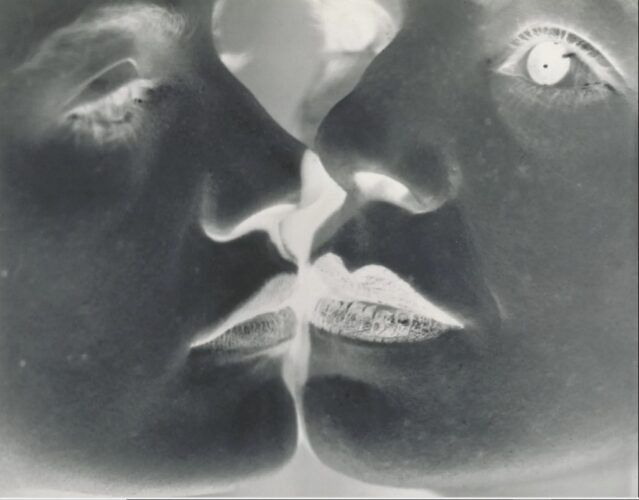
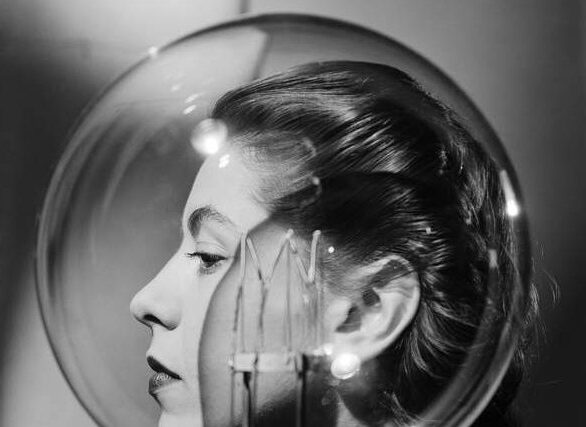
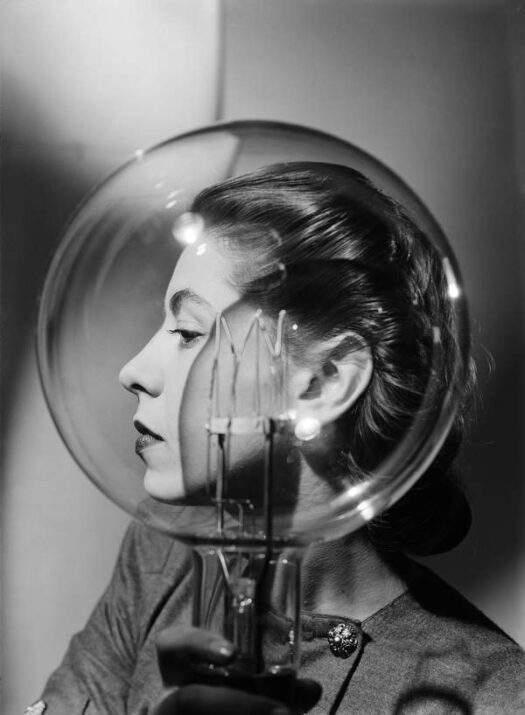
Born in 1907 in Poughkeepsie, New York, Miller initially studied painting and stage design before being discovered as a model. She was photographed by celebrated figures including Cecil Beaton and Edward Steichen, many of whose works are on display here. After moving to Paris, Miller sought out the renowned Surrealist Man Ray, with whom she developed a deep creative and personal partnership. Together, they pioneered the photographic process known as solarisation, which produces a striking halo effect by reversing light exposure. These surreal, dreamlike images are among the exhibition’s most captivating works.
By the late 1930s, Miller had forged her own path as a photographer, capturing the streets of pre-war Paris and later opening her own studio in New York. It was during this time that she met fellow Surrealist Roland Penrose, who would become her husband.
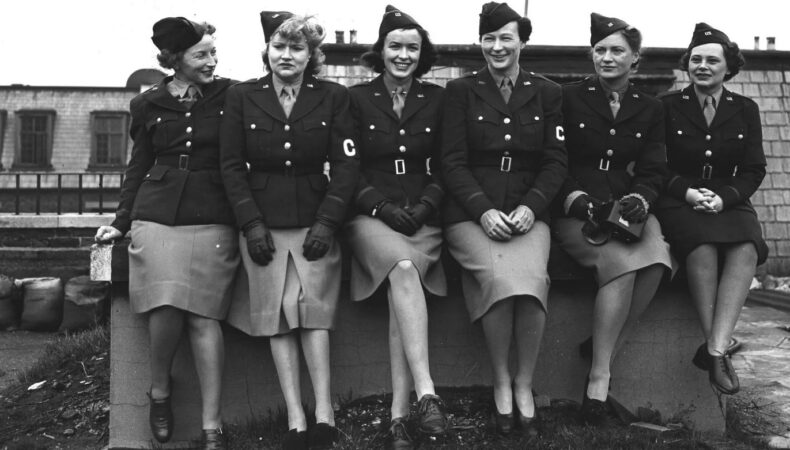
The outbreak of World War II defined the next phase of Miller’s career. As one of several pioneering female photojournalists — alongside Margaret Bourke-White, Mary Welsh, Dixie Tighe, and Elizabeth Murphy Moss, the first African-American woman accredited as a war correspondent — Miller documented the devastation of Europe with unflinching honesty. Her images of the liberated concentration camps remain among the most searing records of the war. Perhaps most chilling, however, is her own reflection that “the German villages were beautiful — but we must remember, the people who lived there were the enemy now.” It is a stark reminder of war’s power to dehumanise.
This retrospective is long overdue. Anyone interested in the photographic history of the 20th century — or in witnessing the vision of one of its most extraordinary artists — should not miss it.height=”20px”]The Lee Miller Exhibition runs at Tate Britain until February 15th. Lee Miller | Tate Britain
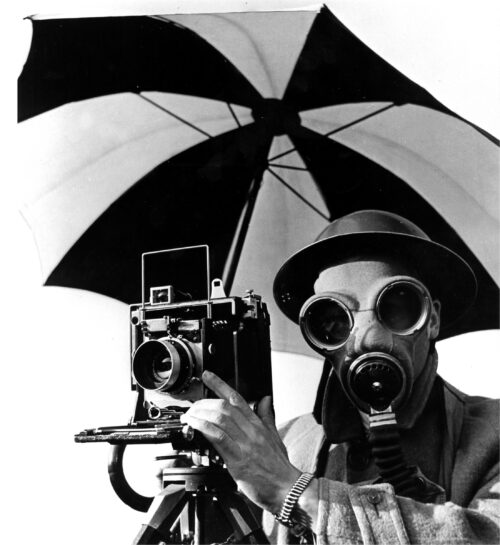
After the war Scherman returned to New York, in 1949 he married Rosemary Redlich and had two sons. In 1973 he edited a hugely successful series of TIME LIFE books. His final writing assignment was the introduction to the book ‘Lee Miller’s War’ by Lee’s son Antony Penrose. After TIME Inc. closed their doors, Scherman’s second career began as a contractor. He built 28 houses for his friends on Cape Cod, Long Island, Rockland and New Jersey.
David E. Scherman, Lee Miller and Roland Penrose remained friends until the end of their lives. David outliving them both, died in 1997 aged 81, at his home Stony Point, USA.
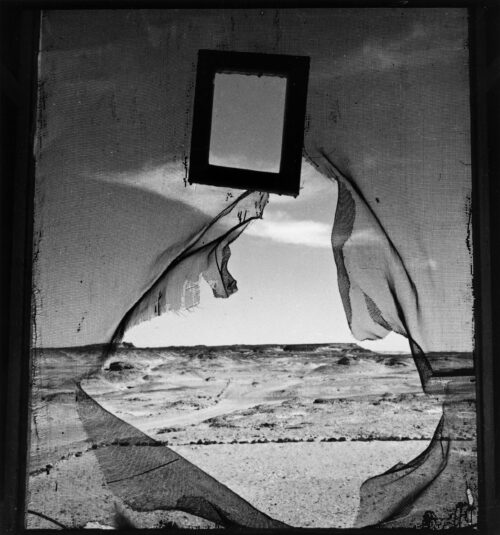
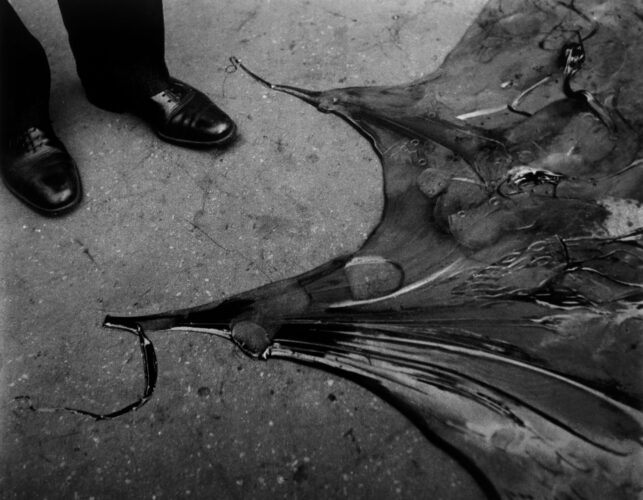
Portrait of Space was first published in the London bulletin in June 1940, along with Lee’s photograph of her friend Dora Maar in profile. The image was seen by many of the Surrealist circle. Rene Magritte was particulary inspired by the image and used the shape of the torn fly screen in his 1938 painting Le Baiser.
This photograph and a similar version are said to have been the inspiration for the painting entitled ‘Le Baiser’ by the Belgian Surrealist Rene Magritte.
Published in London Bulletin, June 1940.