By Beverly Andrews
This autumn saw the welcome return of London’s French Film Festival, once again offering a rich programme of evocative French cinema alongside acclaimed international work. The festival also featured screenings of several well-known French classics. Below is my personal roundup of highlights.
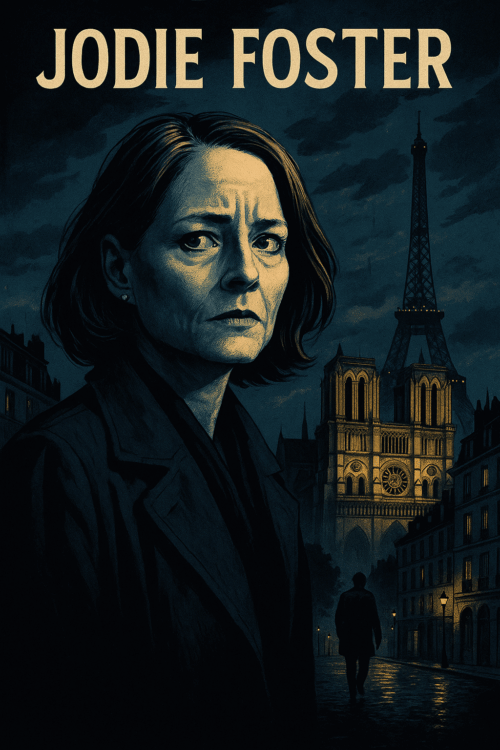
The festival opened with the London premiere of A Private Life, starring Jodie Foster in her first French-language role. Foster plays Lilian Steiner, a psychiatrist who becomes troubled by the sudden death of one of her patients. Officially ruled a suicide, the case leaves Lilian unconvinced, prompting her to conduct her own investigation across France.
Directed by Rebecca Zlotowski, the film sees Lilian enlist the help of her ex-husband, played by French cinema icon Daniel Auteuil, as the pair race to uncover the truth behind the death. Particularly striking are scenes involving Lilian’s own therapy sessions, in which she is regressed to a past life that appears mysteriously connected to her deceased patient.
Foster, a fluent French speaker, delivers a compelling and assured performance in this unusual and absorbing thriller. A Private Life evokes echoes of Hitchcock and De Palma, with even hints of mid-period Woody Allen, resulting in a fascinating and distinctive cinematic experience.
rançois Ozon’s adaptation of Albert Camus’ novella L’Étranger may be the most faithful screen version of this provocative work to date. Written in 1942 during the Nazi occupation of France and set in pre-independence Algeria, the story follows Meursault, a government clerk whose emotional detachment becomes apparent from the outset—most notably in his reaction to his mother’s death.
Meursault remains largely unmoved by the suffering around him, from witnessing a neighbour’s abusive behaviour to listening impassively to another neighbour mourn the loss of a mistreated dog. Only after he inexplicably kills a young Algerian man does he appear to register any sense of emotional engagement.
While Ozon subtly foregrounds the growing independence movement in Algeria—an element largely absent from Camus’ text—he resists offering explanations for Meursault’s actions. Instead, the film suggests that this act of violence may be the only moment in which Meursault feels truly alive, underscoring the tragedy at the heart of the story.
Nadav Lapid’s Yes offers a provocative, satirical portrait of a society grappling with layered and unresolved collective traumas. The film centres on a struggling jazz musician and his wife, who gradually commodify their creativity, bodies, and beliefs in order to survive and to satisfy powerful patrons. Through this unsettling premise, Lapid explores how personal and artistic integrity can erode under social, economic, and political pressure.
The film reflects on two intertwined historical and contemporary traumas: the shock and grief following the terrorist attacks of 7 October, and the longer historical shadow of the Holocaust, which continues to shape national identity and cultural expression. Rather than presenting a political argument, Yes examines how these legacies manifest psychologically—through anxiety, cynicism, moral compromise, and the instrumentalisation of art.
While its irreverent tone will not appeal to all viewers, and some may find its satire deliberately abrasive, Yes offers a challenging and timely reflection on how societies process trauma, memory, and power. It is a film that raises difficult questions without prescribing answers, positioning itself firmly within the tradition of confrontational, auteur-driven cinema.
A thematic counterpoint to Yes was the documentary The Voice of Hind Rajab. The film recounts the real-life story of six-year-old Hind Rajab, who was trapped in a car with deceased family members for hours following an attack during an attempted evacuation from Gaza City.
The narrative focuses on emergency volunteers who remain on the phone with Hind, trying to comfort her while coordinating a rescue. The inclusion of the actual recorded phone calls is devastating, particularly moments when the child calmly contradicts attempts to shield her from reality.
Produced by several companies including Plan B Entertainment, The Voice of Hind Rajab powerfully illustrates the devastating impact of conflict on civilians, especially children. It is a harrowing but vital piece of filmmaking.
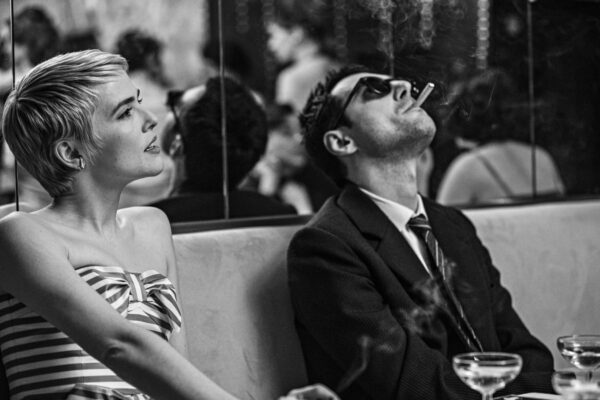
For admirers of French New Wave cinema, Richard Linklater’s Nouvelle Vague is essential viewing. The film offers a playful and affectionate depiction of the making of Jean-Luc Godard’s groundbreaking Breathless, scripted by François Truffaut.
Shot in luminous black and white, it is a cinephile’s delight, brimming with references to key figures who would go on to shape modern cinema. Above all, Nouvelle Vague captures a moment when film felt genuinely revolutionary.
The festival concluded with It Was Just an Accident, the latest feature from Iranian filmmaker Jafar Panahi—remarkably the only director to have won top prizes at Cannes, Venice, and Berlin. Filmed clandestinely due to Panahi’s ongoing ban from filmmaking in Iran, the film begins with a seemingly minor road accident involving a family.
Events take a dark turn when a mechanic believes he recognises the father as a former state torturer and abducts him to confirm his identity. As the mechanic gathers other former political prisoners to help decide the man’s fate, the film unfolds as both a tense moral inquiry and, at times, an unexpectedly dark comedy.
Deeply moving and often surprisingly humorous, It Was Just an Accident poses difficult questions about justice, forgiveness, and accountability in societies shaped by political repression, making it a powerful and fitting conclusion to the festival.
Taken together, the films showcased at this year’s French Film Festival reveal cinema’s enduring ability to confront memory, trauma, and moral ambiguity without simplifying them. From intimate psychological investigations to historical reckonings and urgent acts of witnessing, the programme reflects a cinema that is engaged, questioning, and unafraid of discomfort. Rather than offering answers, these films invite reflection—on art, responsibility, and the stories societies tell themselves.
By Beverly Andrews, London, 22nd December 2025.