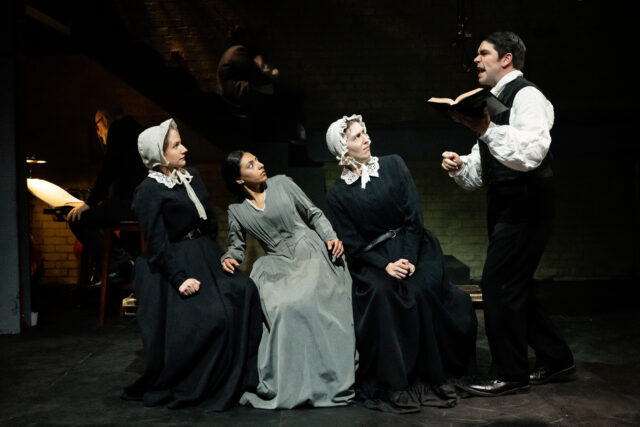
By Beverly Andrews
Passion, betrayal, and a heroine who refuses to be silenced — Joubert’s long-lost opera finally blazes to life at Grimeborne.
The Brontë sisters never wrote shrinking violets. Their heroines are fierce, defiant, and unforgettable — and Charlotte’s Jane Eyre may be the fiercest of all. Now, John Joubert’s long-overdue operatic adaptation finally gets its fully staged premiere at the Arcola Theatre’s Grimeborne Festival 2025. The result? A thrilling, urgent piece of music-theatre that bursts with passion and fire.
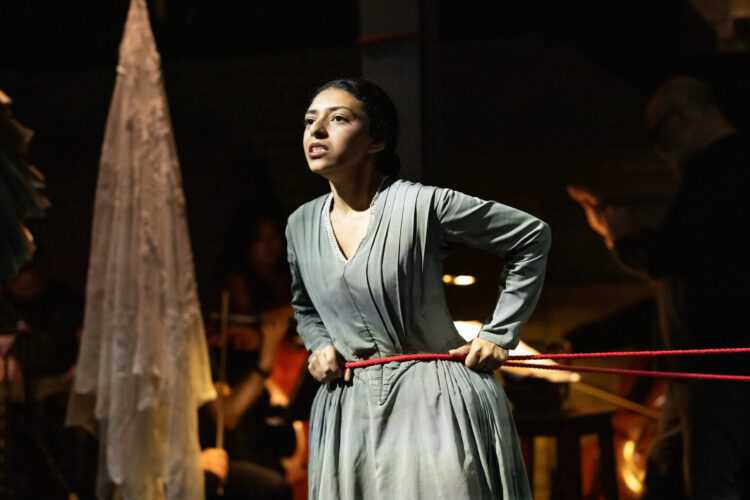
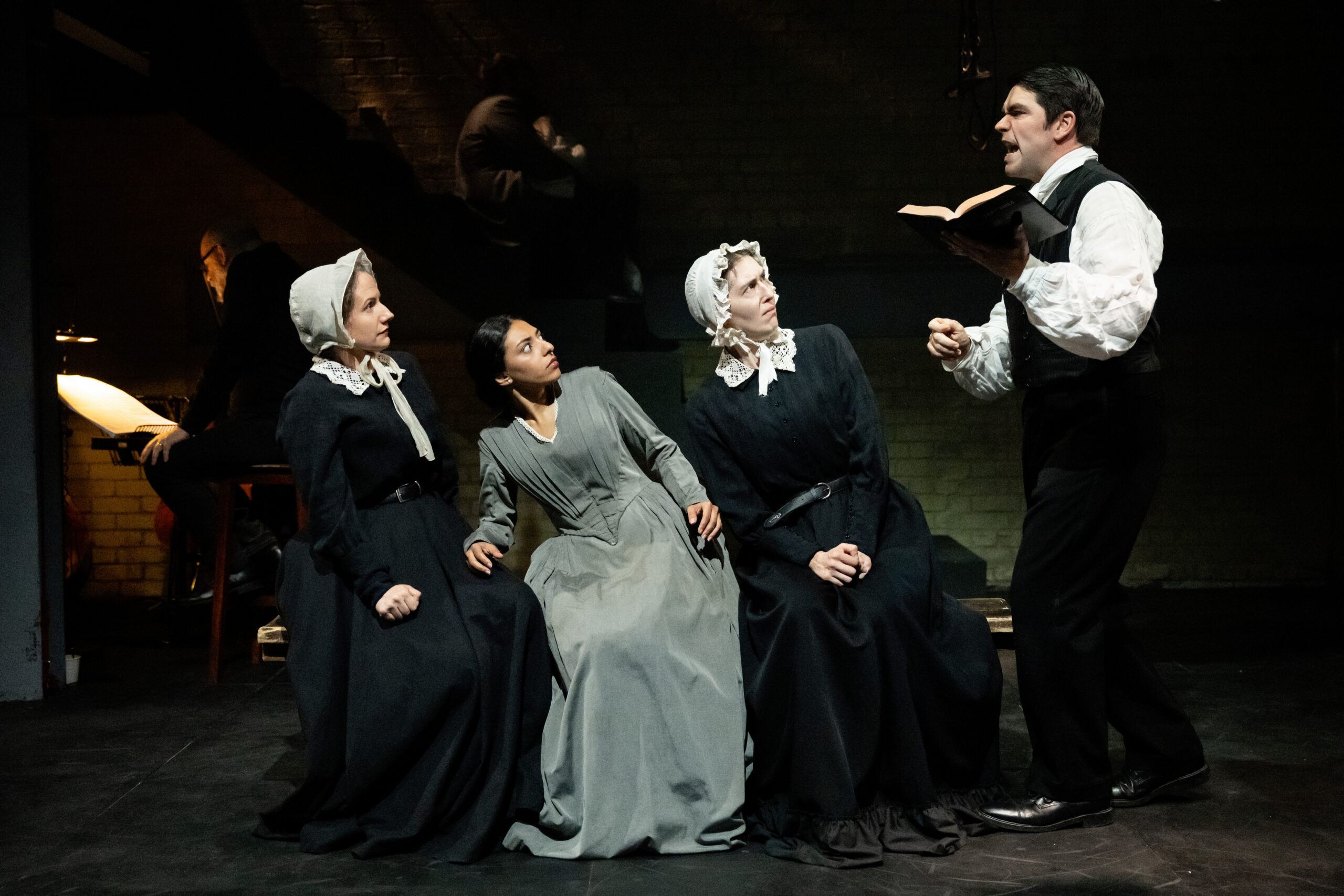
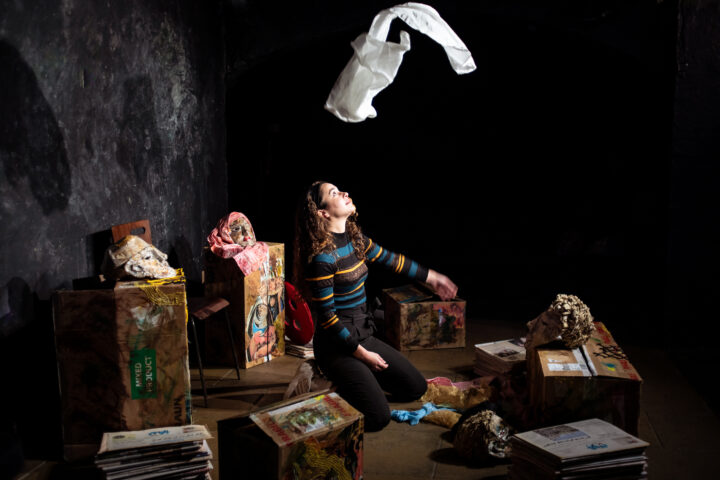
From the opening bars, Joubert’s score sweeps you into Jane’s journey: the orphan who refuses to be broken, the governess who demands respect and love on her own terms. Egyptian soprano Laura Mekhail is radiant in the title role, channeling Jane’s resolve and vulnerability with blazing intensity. Opposite her, Hector Bloggs tackles Rochester — charismatic, yes, but increasingly compromised as his secrets come to light.
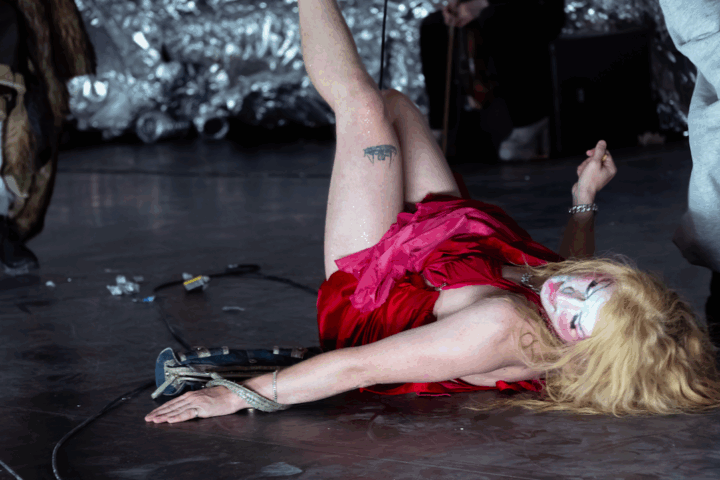
What sets this production apart is director Eleanor Burke’s bold feminist framing. The infamous “madwoman in the attic,” Bertha Mason, is no longer just a shadow. Through the haunting physical presence of contemporary dancer Steffi Fashokun, Bertha becomes a living force onstage. Silent yet unignorable, she weaves a tapestry of vivid colors while watching the life she has been denied. It’s a devastating reminder that Jane and Rochester’s happiness comes at a cost.
Joubert wrote Jane Eyre with librettist Kenneth Birkin between 1987 and 1997, but it languished unperformed beyond a 2016 concert version in Birmingham. Seeing it fully staged now, it feels extraordinary that such a powerful work almost slipped through the cracks. This is opera at its best: lush, dramatic, and unafraid to wrestle with love, freedom, and sacrifice.
Burke’s direction is sharp and assured, pulling Brontë’s contradictions into focus without losing the sweep of the score. Where many classic operas sideline women, Jane Eyre places a complex, believable heroine at its center. It’s refreshing, and it grips you right through to the final note.
At Grimeborne, Jane Eyre doesn’t feel like a dusty literary adaptation. It feels alive — urgent, emotional, and deeply human. Joubert’s opera may have taken decades to reach the stage, but it was worth the wait.