By Beverly Andrews
This winter, Cirque du Soleil returned to London for their annual residency at the Royal Albert Hall. This year’s show was a dazzling reworking of the original Ovo, a production that premiered in 2009. This delightful production is like a magical David Attenborough-style look into the undergrowth of our back gardens, where we spot all sorts of enchanting creatures living there, entertaining and captivating us in equal measure.
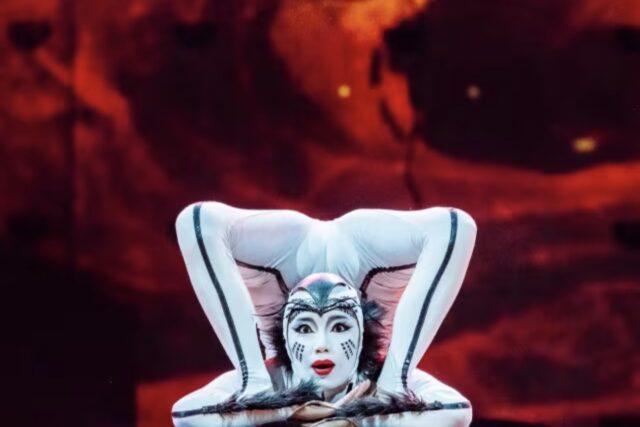
The title of the show, Ovo, is Portuguese for “egg” and provides the production with its overarching theme. We are treated to an evening in which tiny insects are given a chance to shine. From the metamorphosis of a butterfly coming to life to trampoline acrobats depicting a wall of insects, the visuals are mesmerising. At one point, they seem to be literally walking horizontally up the wall. There is also a beautiful white-clad contortionist portraying a spider who leaves the audience spellbound.
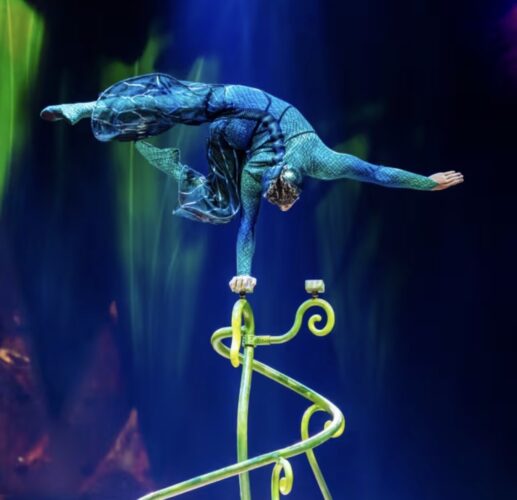
Deborah Colker, the show’s original director, said that when she created Ovo she was inspired by the tiny world of insects. She wanted to create a show that was not about individual acts or dancing, but about the movement of life itself. It is this sense of movement that is evident throughout, whether in the aerial artists flying and leaping through the air or the contortionists embodying crawling insects. The music has a wonderful Brazilian feel, with composers such as Berna Ceppas contributing, and it effortlessly brings this tiny world to life. The score successfully transports the audience to Brazil’s legendary rainforest.
As with all Cirque du Soleil shows, the company has a magical ability to transform any venue in which they perform into another world—no easy task in London’s cavernous Royal Albert Hall. Yet this is a feat they nevertheless achieve, with the audience on the night I attended appearing so joyful at the show’s conclusion that they almost seemed to be walking on air.