By Beverly Andrews
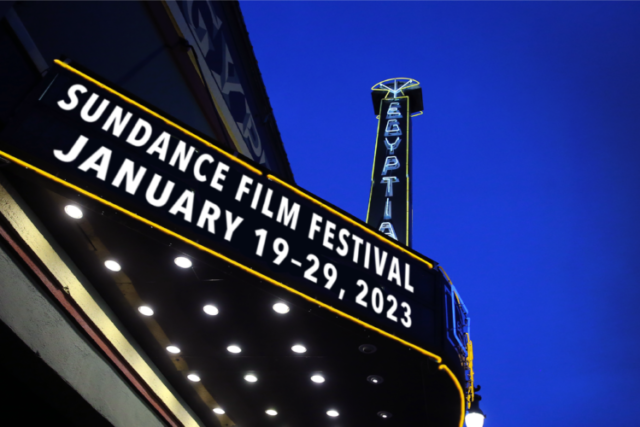
For many independent filmmakers, the return of the Sundance Film Festival marks a high point in the cinematic calendar. Long celebrated for its commitment to bold, original storytelling, Sundance continues to spotlight standout works that often go unnoticed by more commercial festivals. This year is no exception, with a vibrant lineup of features, documentaries, and shorts that showcase the breadth of contemporary indie cinema.
While not all selections were made available for virtual viewing, several titles were accessible to journalists unable to attend in person. Among those, here are my personal favorites.
Since Russia’s invasion of Ukraine, numerous films have sought to document the brutal assault on its peaceful neighbor. Few, however, match the emotional and journalistic power of 20 Days in Mariupol, directed by Ukrainian filmmaker and journalist Mstyslav Chernov. Shot alongside fellow journalists Evgeniy Maloletka and Vasilisa Stepanenko, the documentary captures the harrowing first three weeks of Russia’s siege of the city — a visceral record of violence, resilience, and truth in the face of propaganda.
At the outset of the invasion, while many residents fled Mariupol, the trio of journalists made the courageous decision to stay. Their aim: to document the atrocities unfolding around them and provide an unflinching account for the international community. What they captured is devastating — scenes of indiscriminate shelling, wounded civilians, and the systematic targeting of non-military infrastructure. These were the very realities Russia’s state media denied at the time.
One of the most searing moments in the film is the bombing of a maternity hospital, a strike that shocked the world. Chernov and his team were among the first to record the aftermath, and their footage — showing bloodied mothers, dying infants, and overwhelmed medical staff — became central to countering Kremlin disinformation. The psychological toll on Mariupol’s doctors, nurses, and citizens builds as the siege grinds on, each scene more harrowing than the last.
Of all the war documentaries released since the invasion, 20 Days in Mariupol stands out as the clearest, most damning indictment of Russia’s actions. It dismantles the narrative that this war is about protecting borders. Instead, it reveals a campaign driven by the imperial ambitions of one man: Vladimir Putin. His goal is not security, but conquest — a bid to seize Ukraine’s resources and resurrect a Soviet-style empire. Yet, despite the suffering inflicted, the Ukrainian spirit endures. One year on, Putin’s aims remain unfulfilled.
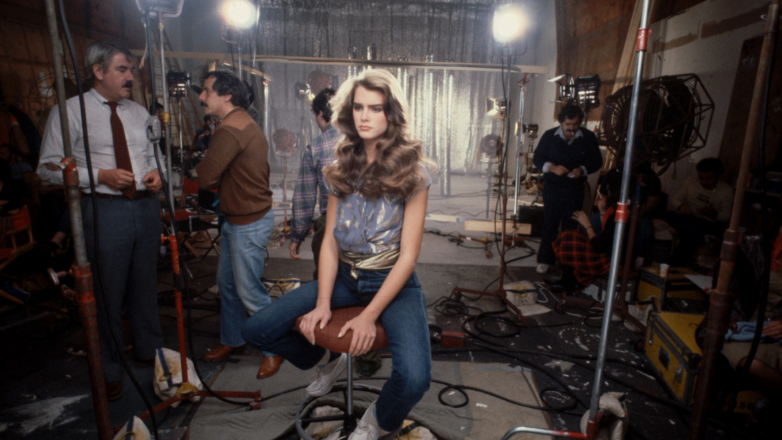
Pretty Baby: Brooke Shields treads similar ground to last year’s The Most Beautiful Boy in the World, a haunting documentary that explored the devastating impact of fame on child actors. In that film, the focus was on Björn Andrésen, whose brief stardom following his role in Visconti’s Death in Venice left lasting scars. Andrésen never fully returned to a normal life and now lives as a deeply tragic figure. In contrast, Pretty Baby presents Brooke Shields not as a casualty of fame, but as a survivor.
Raised by an alcoholic mother whose obsession with her daughter’s stardom often overrode any maternal instinct to protect, Shields was pushed into the spotlight at a shockingly young age. Early roles and commercials sexualized her image long before she could comprehend their meaning. And yet, despite the exploitative beginnings, Shields emerged with remarkable strength. A Princeton graduate and outspoken advocate, she uses her platform today to champion women’s rights and mental health awareness — particularly postpartum depression, an issue she has addressed with courageous candor.
After the birth of her first daughter, Shields publicly shared her experience with severe postpartum depression and her decision to seek medical treatment, including the use of antidepressants. Her openness sparked a backlash — most notoriously from actor Tom Cruise, who, without any medical training, denounced her use of medication as irresponsible. His comments, steeped in arrogance and ignorance, reflected the broader misogyny Shields has faced throughout her career. But by then, she had found her voice. Her response came in the form of a sharply worded New York Times Op-Ed, where she memorably suggested that Cruise should “stick to fighting aliens.” He issued an apology a year later.
Pretty Baby: Brooke Shields is more than a celebrity profile — it’s a powerful narrative of resilience. The film lays bare the toxic intersections of fame, media, and misogyny, but ultimately celebrates a woman who not only survived it all, but found the strength to speak out, fight back, and reclaim her story.
Saim Sadiq’s Joyland is an extraordinary debut feature set in the bustling, conservative heart of Lahore, Pakistan. With Nobel laureate Malala Yousafzai attached as executive producer, the film arrives with both international backing and powerful intent. What unfolds is a delicate, deeply affecting portrait of one man’s quiet rebellion against societal norms and personal repression.
At the film’s center is Haider, a gentle, unassuming man living in a multigenerational middle-class household. He’s content performing domestic duties and caring for his brother’s children, while his ambitious wife is the family’s primary breadwinner. Their arrangement works for them — but not for Haider’s domineering father, who demands Haider find a “real” job. Forced to comply, Haider secures unexpected employment as a backup dancer for a vibrant transgender singer on the rise.
As Haider becomes increasingly drawn to his charismatic new employer, a tender yet complicated emotional bond develops, awakening desires he had long suppressed. His growing infatuation throws his domestic life into turmoil and exposes the emotional voids in his marriage. Meanwhile, his wife begins to feel the weight of her own entrapment — confined not just by tradition, but by the suffocating expectations of her in-laws and society at large.
The title Joyland carries a biting irony. Far from a celebration, the film is a poignant examination of longing, identity, and the quiet devastation wrought by rigid gender roles and conservative social norms. It’s a film filled with ache and empathy — a tender rebellion against a culture that too often stifles individuality in the name of respectability.
With sensitive direction, compelling performances, and a rare authenticity, Joyland is not just a landmark in queer South Asian cinema — it’s a searing, human story of selfhood and survival.
Winner of the Sundance Grand Jury Prize, A Thousand and One, directed by A.V. Rockwell, is not only a standout of this year’s festival — it’s also my personal favorite. This extraordinary debut tells the deeply moving story of a young woman who rescues a child from the very social care system that nearly destroyed her own life.
Set against the backdrop of 1990s and early 2000s New York City, the film unfolds during a period of aggressive gentrification — a force that relentlessly pushed low-income families to the city’s margins, far from decent housing, quality schools, and safe neighborhoods. It’s a setting that underscores the film’s themes of displacement, survival, and resilience.
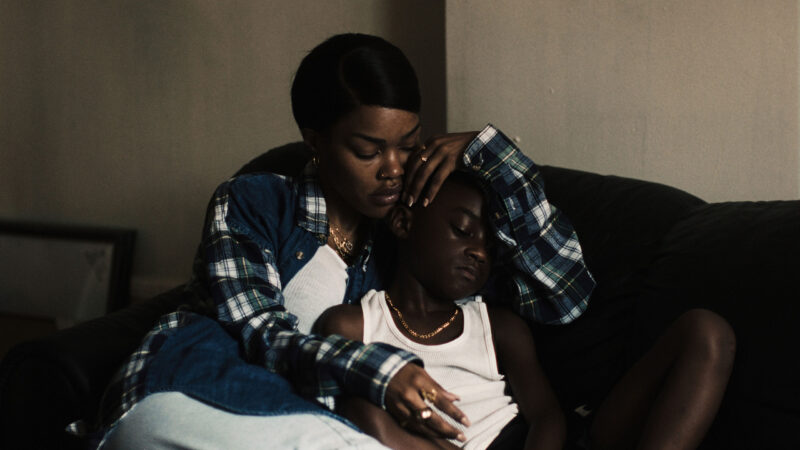
But A Thousand and One is no mere social issue drama. While it could have easily fallen into the trap of becoming a weekly “message movie,” Rockwell instead crafts an intimate, emotionally rich portrait of motherhood. At its heart is a woman’s fierce, unwavering love — a love that endures poverty, instability, and the looming threat of discovery.
What emerges is a powerful exploration of what it means to make a home in a city that seems determined to deny it. Tender, defiant, and devastating in moments, A Thousand and One is a triumph — a testament to maternal strength, and to the quiet acts of resistance required to raise a child with dignity in an unforgiving world.
Little Richard: I Am Everything is a jubilant and long-overdue tribute to one of rock music’s most revolutionary figures. Directed by Lisa Cortés, the documentary not only celebrates Little Richard’s electrifying talent, but also reclaims his rightful place at the center of rock and roll history — a legacy too often overshadowed or overlooked.
Through rich archival footage and insightful interviews — including a particularly candid appearance by Mick Jagger, who credits Little Richard as one of his most profound influences — the film makes a compelling case that Little Richard was, in fact, the true king of rock and roll. He didn’t just shape the genre; he defined it.
With his explosive performances, flamboyant charisma, and genre-defining songs, Little Richard burst onto the scene at a time when being Black and openly gay in America — especially under Jim Crow laws in the South — was nothing short of radical. Yet he refused to conform. Instead, he used his voice, both literal and figurative, to break barriers and redefine music and identity on his own terms.
The documentary also underscores the social impact of his music. His concerts helped integrate racially segregated clubs, as teenagers — Black and white alike — flocked to dance to his infectious sound, refusing to abide by outdated rules that kept them apart.
Little Richard: I Am Everything is more than a biography. It’s a celebration of a trailblazer whose influence runs through the veins of modern music. Bold, unapologetic, and bursting with life, the film does exactly what its subject always did best: it shakes the foundations.
As protests continue to unfold on the streets of Iran, two films at this year’s festival offer powerful insight into the evolving roles of Iranian women. Shadya stands out as a moving, deeply personal portrait of one woman’s fight for freedom — not in Iran itself, but within the Iranian diaspora.
The film follows the story of an Iranian expat in Australia who bravely walks away from an abusive relationship, taking her young daughter with her in search of safety and a new beginning. It’s a bold and dangerous decision, not least because the Iranian expat community around her largely disapproves of women who defy their husbands — even violent ones. In this environment, shame and stigma often outweigh solidarity.
Zar Amir Ebrahimi delivers a powerful performance as the central character, a woman attempting to build a life free from fear while constantly watching over her shoulder. Her greatest anxiety isn’t only social ostracization, but the looming threat that her ex-husband might kidnap their daughter and return to Iran, where custody laws overwhelmingly favor men.
Shadya is a courageous, autobiographical account of resistance — a story of a woman refusing to be defined by fear or constrained by cultural expectations. It’s about the quiet, everyday heroism required to protect a child, reclaim personal dignity, and imagine a future beyond trauma. More than just a story of survival, Shadya is a testament to the power of breaking free — and the strength it takes to stay free.
Like Shadya, The Persian Version explores the lives of Iranian women living in the diaspora — but here, the tone is radically different. Set in New York, the film centers on a vibrant, often chaotic expat family whose tensions are less about patriarchal control and more about the emotional distance between generations of women.
At its core is the strained relationship between an ambitious, image-conscious mother and her rebellious daughter — a proudly lesbian filmmaker with a keen eye for the truth. When the daughter unexpectedly becomes pregnant after a one-night stand, she becomes convinced that a long-buried family secret holds the key to understanding not only her mother, but herself. Her quest to uncover that truth drives the narrative, revealing a surprising and deeply human history that has shaped them both.
The Persian Version is sharp, funny, and emotionally resonant — a film that deftly weaves cultural identity, generational trauma, and self-discovery into a richly textured story. It also stands, along with Shadya, as part of a compelling shift in Iranian cinema: both films are directed by Iranian women and draw directly from their creators’ lived experiences.
Together, they offer nuanced, complex portraits of Iranian women navigating identity, tradition, and autonomy across continents. Where Shadya is intimate and harrowing, The Persian Version is vibrant and emotionally layered — yet both illuminate the quiet strength and complexity of women who refuse to be silenced.
Twice Colonised is another standout of this year’s festival — a powerful and deeply affecting documentary that follows the work of renowned Greenlandic Inuit lawyer and activist Aaju Peter. At once intimate and politically urgent, the film traces Peter’s tireless campaign to defend the human rights of Indigenous Arctic communities and to hold colonial powers in both Canada and Denmark to account.
Peter is a formidable presence — sharp, passionate, and unwavering in her pursuit of justice. The documentary offers a wide lens on her advocacy, from international forums to the front lines of environmental and cultural preservation, but it’s also a deeply personal portrait. At the heart of the film is her ongoing struggle to protect the ancestral lands of her people while navigating the emotional cost of that work.
This cost is made tragically clear through the unexpected death of her son by suicide — a devastating loss that echoes a larger crisis among Indigenous youth, who face disproportionately high rates of mental health challenges and social dislocation. The film treats this subject with great sensitivity, showing how Peter channels her grief into renewed purpose, her activism gaining urgency in the face of personal sorrow.
Twice Colonised is not only a vital document of resistance and resilience — it is also a tribute to a woman whose voice demands to be heard. In Aaju Peter, we see both the legacy of colonisation and the unbreakable spirit of those determined to overcome it.
Among the many exceptional works at this year’s festival, a few standout shorts and documentaries deserve special mention.
The Stroll is an absorbing and vital documentary that explores the lives of transgender women who worked as sex workers in New York City’s Meatpacking District during the 1980s and ’90s. What sets the film apart is the deeply personal lens through which the story is told. Co-directed by Kristen Lovell — herself a former sex worker who lived and worked in the neighborhood — the film feels less like a traditional documentary and more like an intimate conversation among friends. It’s a powerful reclaiming of history, full of resilience, humor, and sisterhood.
Will You Look at Me is a poignant and beautifully composed short by queer Chinese filmmaker Shuli Huang. At its heart is a long-overdue conversation between the filmmaker and his homophobic mother — a dialogue that begins as confrontation but gradually evolves into something far more tender. The film captures the painful complexity of familial love and cultural expectation, ultimately offering a quiet but profound portrait of reconciliation and acceptance.
And finally, there’s Troy, a delightful and sharply observed comedy short directed by theatre-to-film crossover talent Mike Donahue. The film follows a couple driven to the brink by their neighbor’s outrageously loud and frequent sex — a sound that becomes the unwelcome soundtrack of their daily lives. Hilarious, warm, and surprisingly relatable, Troy captures the quiet chaos of urban living and the strain it can place on even the most solid relationships. It’s the kind of short that stays with you — not just for its humor, but for its keen sense of human frustration and connection.
Sundance remains one of the world’s most joyful film festivals — not because of red carpets or celebrity sightings, but because of its unwavering devotion to the art of cinema. It’s a festival rooted in discovery, where storytelling takes center stage and where bold, original voices are given the space to shine. Here, it’s not about glamour — it’s about the power of film to move, challenge, and connect us.