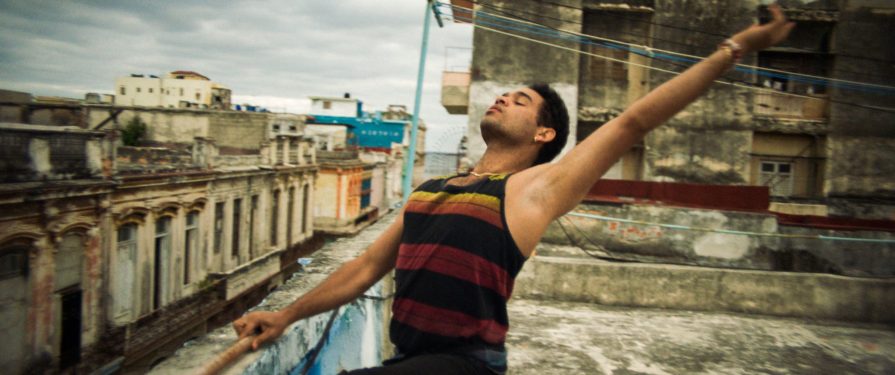
The story
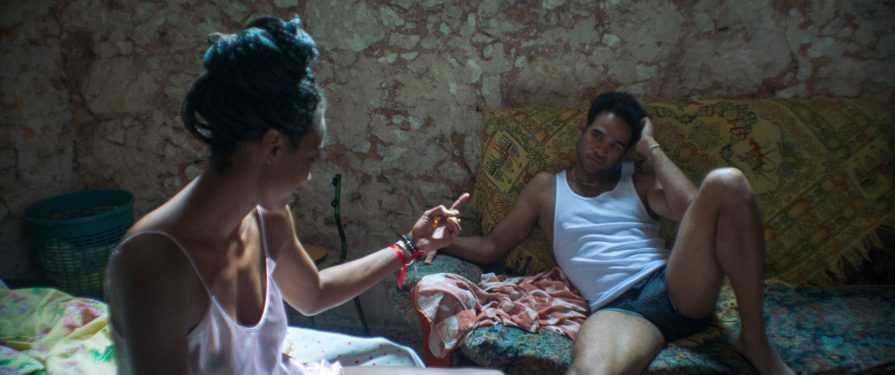 Sara (Evelyn Castroda O’Farrill) & Leo (Yonah Acosta)
The victim of this scam is a Montrealer woman of Iranian descent and Jewish faith. Nasim is a kind person, and seems to be the ideal target for Leonardo, though behind her sweet and naïve appearance hides a rebellious woman who refuses to submit to a patriarchal system. Nasim chooses her own destiny; she is not the dupe we at first assume.

Immigration is no piece of cake and we watch Leonardo struggle in Montreal. Integration is difficult and his ego takes a hit. Often the migrant feels belittled; he works long hours at a thankless, low-paid job, struggling to save enough to fulfill his promise and arrange a fake marriage to get Sara out of Cuba. And when Sara finally arrives, things will get even more complicated… three has never been an ideal number for a successful marriage.
Immigration
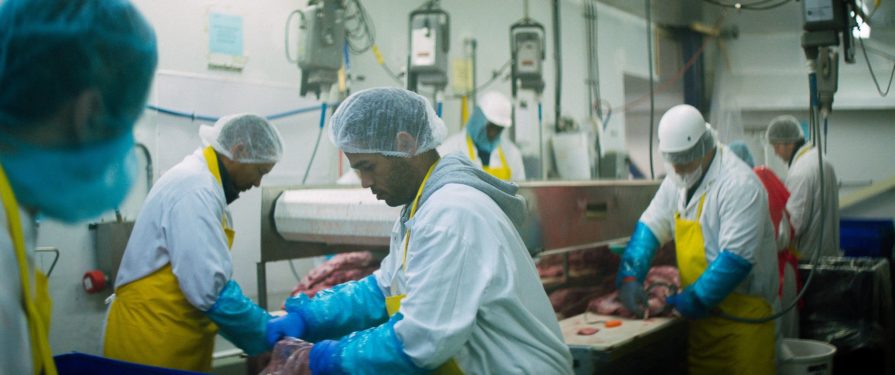
Having worked for a few years for Quebec immigration, it seems to me there is a certain fairness in the process: most of the immigrants with a positive attitude, who work hard and feel gratitude to their new country, achieve their goal after three or four years of residency. Whereas newcomers who are negative and show contempt for Quebec culture end up leaving Montreal within a couple of years. In Sin La Habana, we see Leonardo working illegally and being paid five dollars an hour in a meat processing factory while Sara, the Cuban lawyer, serves at the counter of an independent, local café. Sara, though fluent in English, still has to learn French to find work as a lawyer. One cannot help wondering if it would have been wiser to have stayed in La Habana…
Homesickness
Once in Canada, many immigrants succumb to a strange feeling of isolation due to the immensity of the landscape. The low population density, the brutal cold, the large monochromatic Plaines and the remote horizon could give rise to or exacerbate a feeling of loneliness or homesickness. Even in Montreal, the second largest city in Canada, this feeling of emptiness can set in. The flashback technique used in the film accentuates the contrast between lively tropical scenes in La Habana and the quietness of the snow in Montreal’s large avenues.
Nevertheless, Canada certainly remains a safe haven for people escaping oppressive regimes. It may well be the ideal destination for individuals who can no longer put up with elitism, snobbery, sexism, racism and corruption. Canada is a good example of a meritocracy where tolerance, respect and social welfare are the norm.

Cuba
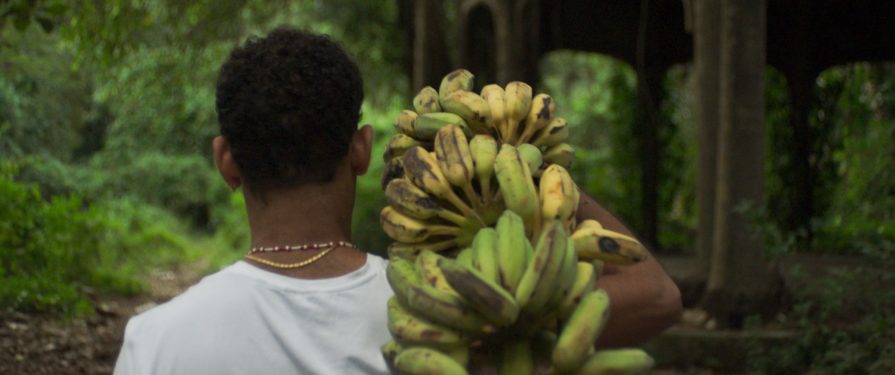
In Sin La Habana, criticism of the Castro Regime is very subtle, or even missing altogether. Leonardo wants to leave Cuba for professional reasons; he believes his skin colour limits his artistic career [3]. But this is only Leonardo’s perception. We don’t know for sure whether or not racism is deeply rooted in Cuban institutions. Some say that the Castro regime is exclusively led by white revolutionary men, but one cannot deny that the Revolution has helped Afro-Cuban people gain access to both education and health.
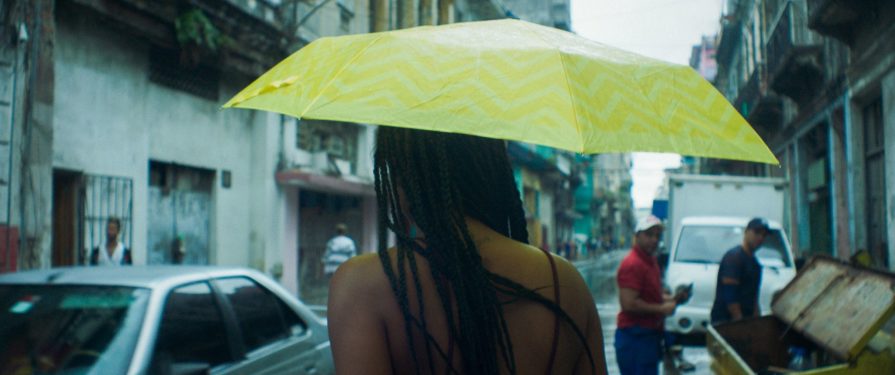
Throughout the film, you hear a Cuban musical rhythm, especially during Afro-Cuban spiritual scenes where there is a slightly blurry light, probably to differentiate the two worlds: the spiritual from the everyday. Leonardo believes in the forces of the Shango and throughout his Canadian adventure, he always keeps in mind the advice given to him by a sorcerer. He draws on this power to cope with setbacks, enabling him to persevere and never give up on his dream.