By Beverly Andrews
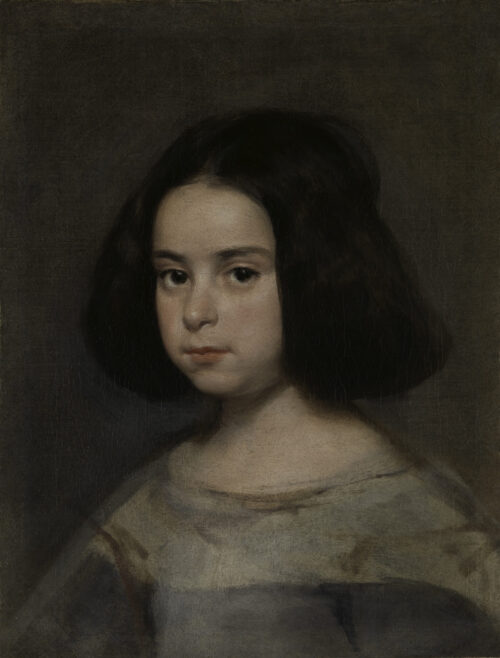
It is a rare privilege for one museum to host the crown jewels of another’s collection—but that is precisely the case at London’s Royal Academy of Arts. The RA is now showcasing highlights from the esteemed Hispanic Society Museum & Library in Manhattan, whose home is currently undergoing restoration. As a result, this exceptional collection—featuring masterpieces by some of the most revered artists from Spain and the wider Hispanic world—has temporarily found a new home in London. The exhibition serves as a powerful reminder of the profound artistic legacy these regions have contributed to global culture.
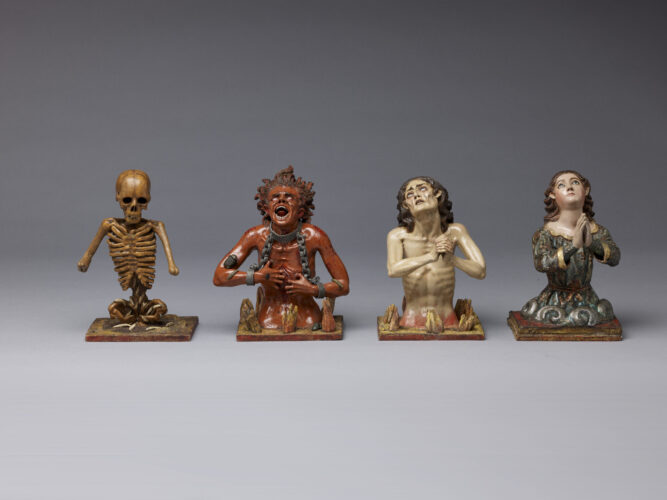
The opening galleries of the exhibition underscore the profound influence of the Catholic Church throughout Spain’s often turbulent history. Each piece on display is steeped in rich religious iconography, from a delicate Bolivian miniature of the Last Supper to intricately carved wooden sculptures. Among these is a striking work by Andrea de Mena, a rare example of a female artist from the period. Her depiction of the Weeping Madonna is both exquisitely crafted and emotionally resonant—an intimate portrayal of maternal grief that moves even the most secular viewer.
Among the Mexican portraits and manuscripts that depict the devastating encounters between Indigenous peoples and Spanish conquistadors, one artifact stands out for its historical and cartographic significance: Giovanni Vespucci’s World Map of 1526. This remarkable nautical chart, created during the height of the Age of Exploration, is one of the most sophisticated of its time. Though it predates the full “discovery” of North America, it vividly reflects the geopolitical tensions already unfolding—particularly the fierce territorial disputes between Spain and Portugal over South American lands.
Unsurprisingly, Vespucci’s map places Spain at the center of the world, while the British Isles appear as distant satellites drifting off the coast of a dominant Europe. Notably, the blank space where North America would later emerge stands in stark contrast to the detailed depiction of African territories—many of which were beyond Spain’s direct control. The map reveals a genuine curiosity about the world, a thirst for knowledge that, tragically, soon morphed into a ruthless and often violent scramble for land and power.
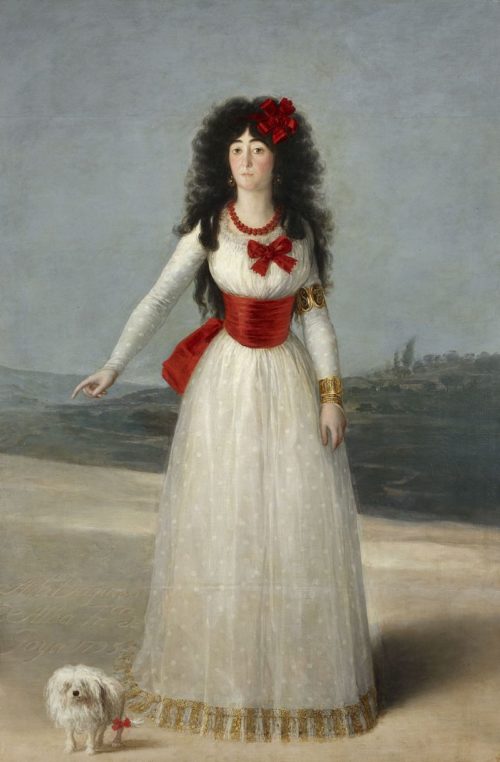
Among the most captivating works in the exhibition are those by Spain’s artistic giants—none more celebrated than Francisco Goya. His iconic portrait of the Duchess of Alba commands attention, hanging with quiet authority on one of the gallery’s walls. In this striking image, Goya depicts the Duchess as both beautiful and unapologetically self-possessed. She points to the ground beside her, where the words “Solo Goya”—“Only Goya”—are inscribed in the sand.
Whether their relationship was romantic remains a matter of speculation, but the emotional intensity captured in the painting suggests a profound personal connection. The portrait is not only a masterful study of character, but also a testament to the mutual admiration between artist and subject.
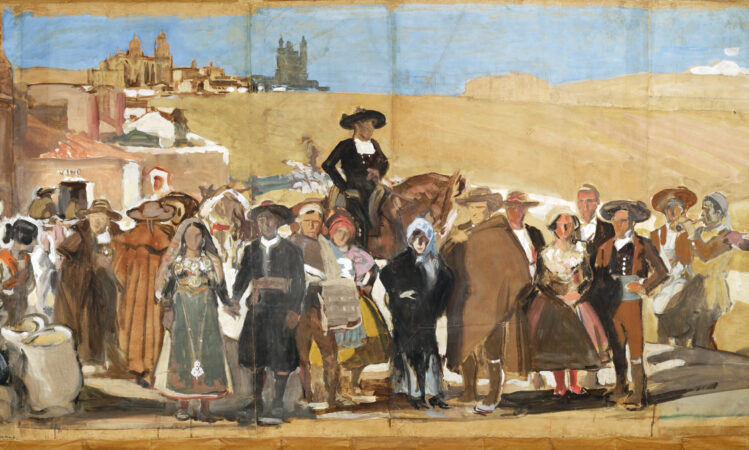
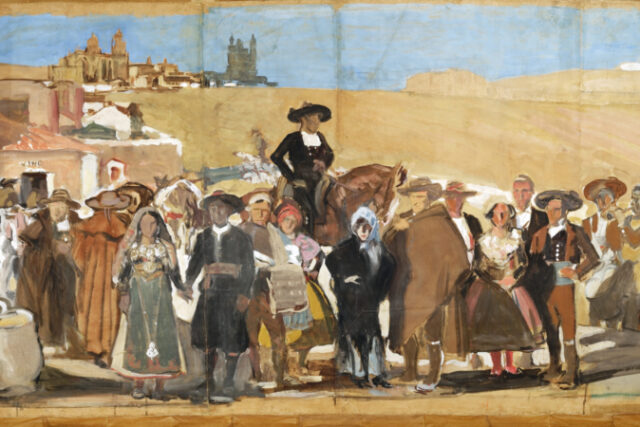
The exhibition also embraces more modern works, including a selection of radiant paintings by Joaquín Sorolla. Renowned for his luminous seascapes, Sorolla captures the Mediterranean light with breathtaking realism—one canvas in particular is so vivid, you can almost feel the sea breeze on your skin.
This exhibition represents one of the most comprehensive displays of Iberian culture outside of Spain. It is a rare opportunity to encounter the brilliance of these artists firsthand. And while the Hispanic Society Museum undergoes its restoration, London’s Royal Academy offers visitors the chance to revel in this joy—if only for a limited time.