TAG women
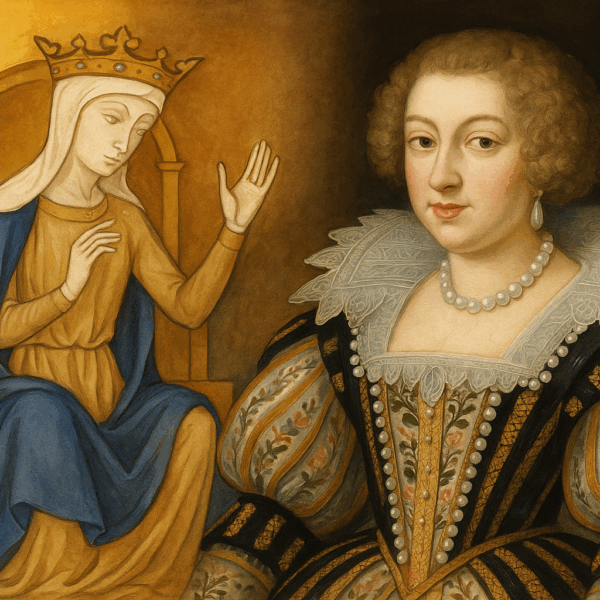
How Two Spanish Women Shaped the French Monarchy
Blanche of Castile and Anne of Austria were two powerful queens who shaped French history as both consorts and regents. Blanche guided the kingdom through rebellion and war during the minority of Louis IX, strengthening royal authority and shaping the future saint-king. Four centuries later, Anne of Austria secured the throne for her son Louis XIV and, alongside Cardinal Mazarin, overcame the Fronde uprisings and set the foundations for France’s rise as a European superpower. Their lives reveal the decisive role of royal women in shaping the French monarchy.
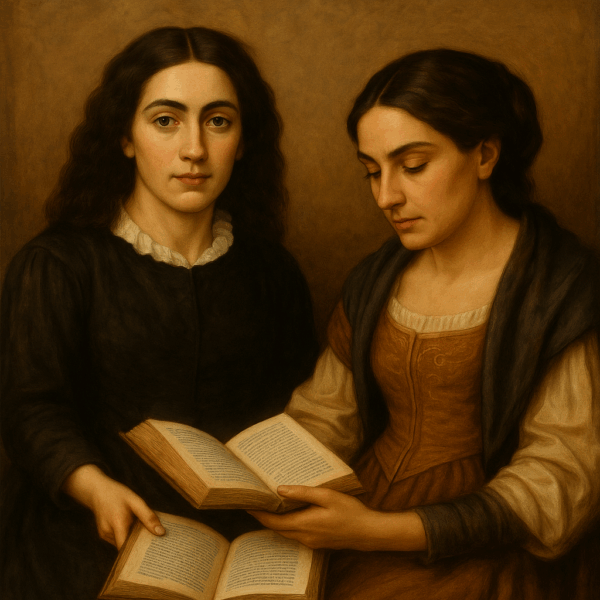
Proto-feminists of the Spanish Golden Age
This article explores the lives and works of María de Zayas and Ana Caro de Mallén—two groundbreaking women writers of Spain’s Golden Age—whose bold female characters challenged the gender norms of their time. From picaresque tales with proto-feminist undertones to plays that gave women an active voice against injustice, their legacy continues to inspire centuries later.
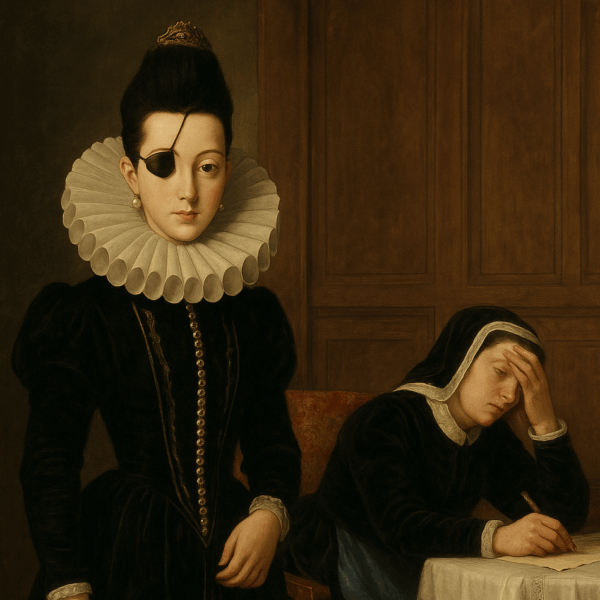
María de Pacheco & the Princess of Éboli
Two remarkable women—María Pacheco and the Princess of Éboli—defied the power structures of 16th-century Spain. One held a city under siege; the other played dangerous games in the royal court. Both paid the price for their ambition—but not without leaving their mark on history.
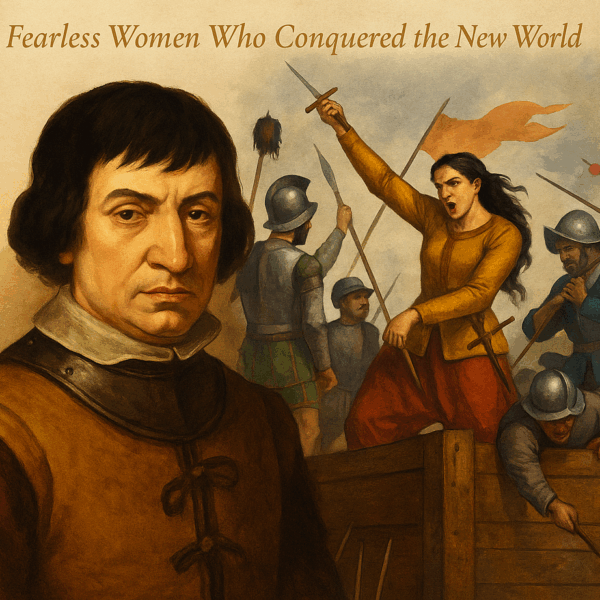
The Untold Stories of Female Conquistadors
Two extraordinary women, Catalina de Erauso, known as The Nun Lieutenant, and Inés de Suárez, the heroine of Chile’s conquest, defied the rigid norms of their time. Soldiers, adventurers, and legends in their own right, their audacity, cunning, and determination forged them into figures both admired and controversial, whose legacies continue to fascinate centuries later.
The Duchesses of Osuna and Alba
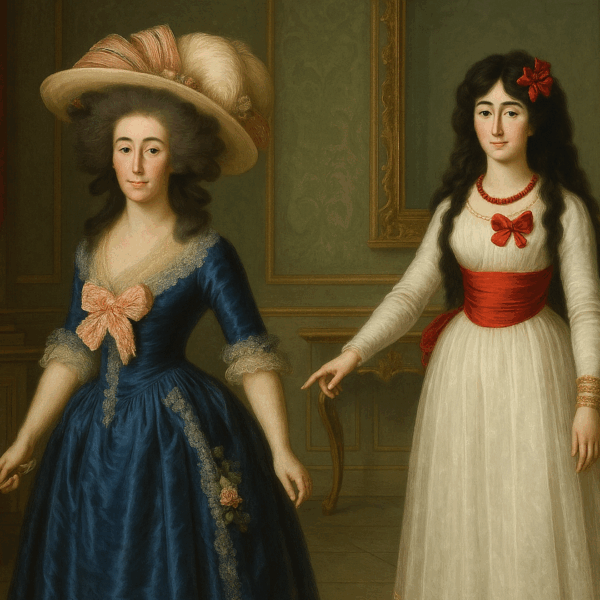
María Josefa Pimentel, Duchess of Osuna, and María Teresa de Silva, Duchess of Alba, were two of the most powerful and influential women of 18th-century Spain. As patrons, salon hostesses, and cultural icons, they shaped the Enlightenment in Madrid—through art, politics, and their legendary rivalry.
The Two Isabellas: Power, Piety, and the Shaping of Empires
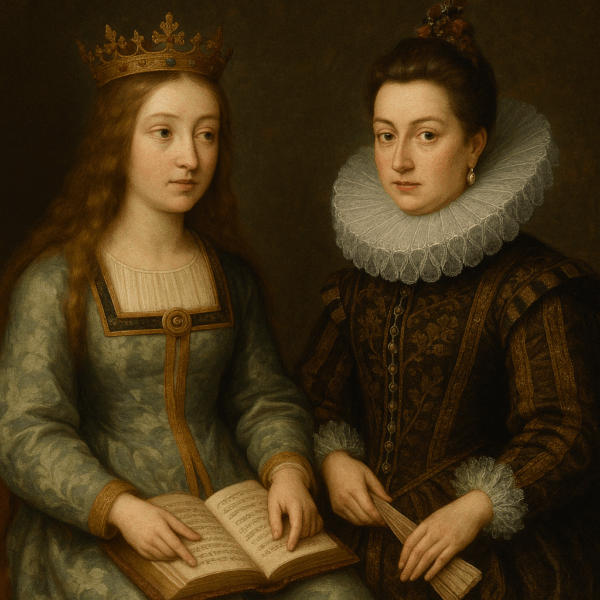
Two formidable women—Isabella I of Castile and Isabella Clara Eugenia—left indelible marks on Spanish and European history. One ruled with reform and religious zeal, the other with diplomacy and cultural flourish. This article explores how their reigns shaped empires, unified kingdoms, and defined eras of both conquest and peace.
“Too Small to Tell”: A Powerful Reckoning from Inside Miramax
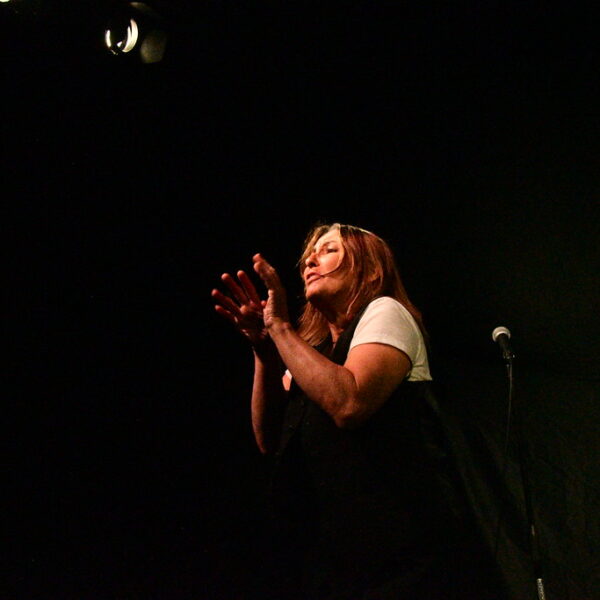
Lisa Rose’s gripping one-woman show Too Small to Tell, now at the Brighton Fringe Festival, offers a raw, personal account of working at Miramax in the shadow of Harvey Weinstein. This timely and courageous performance examines complicity, power, and the urgent need for change in the film industry.
Spanish Women Who Made History
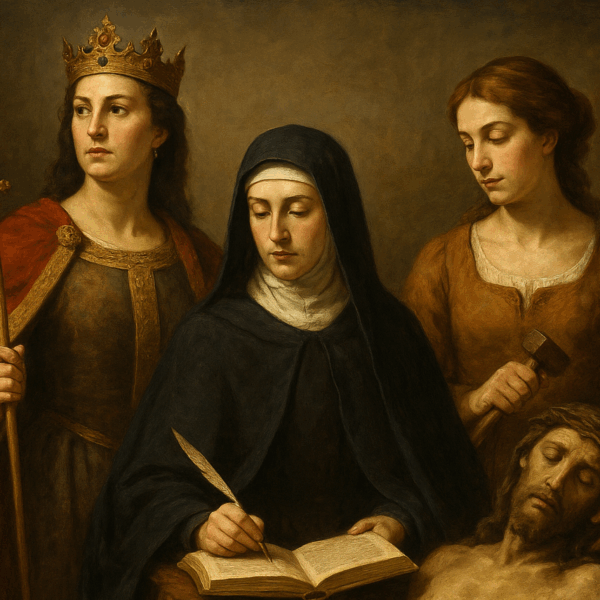
Throughout the history of Spain, few women have claimed their place through merit alone. This article highlights three extraordinary Spanish women in history—Urraca I of León, Beatriz Galindo “La Latina”, and Luisa Roldán, the first female court sculptor of Spain. These women broke societal norms, wielded influence in politics, education, and art, and reshaped what was possible for women in medieval and early modern Europe.